
On the Wednesday before Thanksgiving, you're merging onto the interstate south of Spartanburg with a full car, rain sheeting across the windshield, and brake lights going red a quarter-mile ahead. One preparation step does more good right then than any driver-assist feature your Volkswagen carries, and it's tires with live tread and proper pressure.
Key takeaway: tire pressure and tread depth before holiday driving in Spartanburg
Before you merge onto I-85 this holiday season, verify tire pressure cold and confirm tread depth is above 4/32 of an inch; those two checks do more for your safety on wet Upstate SC pavement than any other single preparation step.How Do You Drive a Volkswagen Safely During Holiday Rain and Cold?
Smooth inputs and extra following distance matter more than which Volkswagen you drive, though the vehicle still brings a real foundation of driver-assistance technology and available 4MOTION AWD that keeps that smoothness achievable even when the road turns flat and slick. Drive gently and it stays on your side.
Schedule a pre-trip service check before the holiday weekend so our team can confirm tires, brakes, and fluid levels while there's still time to act.
What Should Your Volkswagen Never Do on Wet or Icy Holiday Routes?
The worst habits on a wet Upstate SC interstate aren't the dramatic ones, they're ordinary moves that don't transfer from dry-road driving, and engaging cruise control on rain-slicked pavement is the one worth breaking before you ever hit standing water. The system can't react to a sudden hydroplane the way your foot can. It fights the speed cut you need.
Driving wet or icy holiday routes in Spartanburg: do and don't
| Do | Don't |
|---|---|
| Double your following distance on wet pavement | Use cruise control on rain-slicked or slippery roads |
| Accelerate gently to prevent wheel spin | Brake abruptly or steer sharply at speed |
| Check tire tread depth above 4/32 inch before departing | Wait until you feel the car sliding to adjust your inputs |
| Keep lights on in rain for visibility | Rely on driver-assist features to substitute for reducing speed |
How Much Further Does a Volkswagen Take to Stop on Wet Spartanburg Roads in December?
Water between the tire and road cuts the friction that stops your vehicle, so on wet pavement your braking distance climbs by roughly 40 to 50 percent over dry conditions at the same speed, and that's not a small margin to plan around. At highway speeds, 40 percent more stopping distance is the gap between a clean stop and a close call.
The mechanism is simple enough. A thin film of water keeps the rubber from full contact with the road, so your tires have to shove water aside before they can grip. Worn tread below 4/32 of an inch leaves water sitting under the contact patch and stretches that stopping distance further. Fresh tread clears it faster.
Watch out: ABS does not cancel the wet-road braking distance increase on a Volkswagen
ABS maintains rolling tire contact and can reduce stopping distances by 5 to 15 percent on dry or wet pavement, but it does not eliminate the 40 to 50 percent braking distance increase that wet roads impose; worn tread below 4/32 of an inch stretches that distance even further.See Current Volkswagen Holiday Specials
Which Volkswagen Features Help on Upstate SC Roads in November and December?
The Greenville-Spartanburg corridor runs through terrain that throws uneven conditions at you, so bridges cool faster than the road surface, elevated stretches near the Cherokee County line can go slick before crews treat them, and December fog in the foothills cuts visibility well before ice ever forms. Different Volkswagen models answer those conditions differently depending on what you're carrying, how many people are with you, and whether you're pulling a trailer.
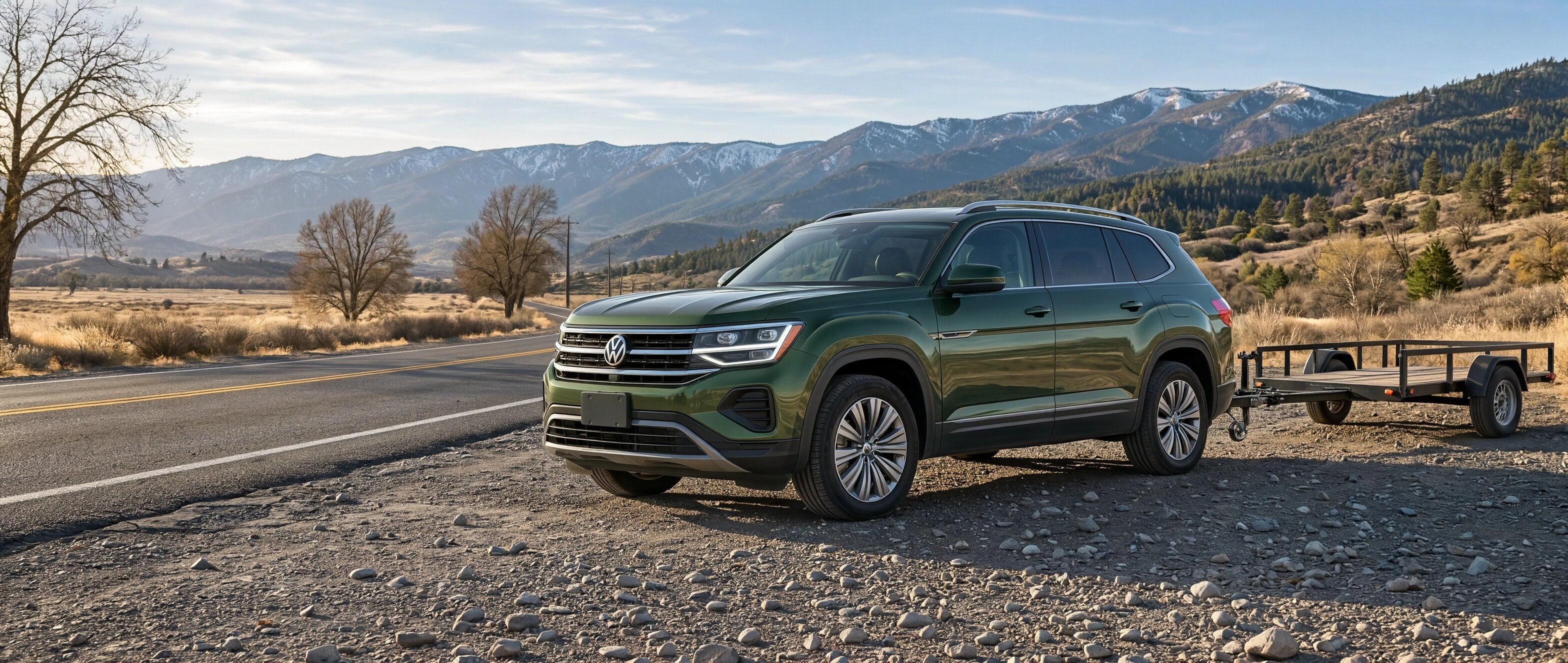
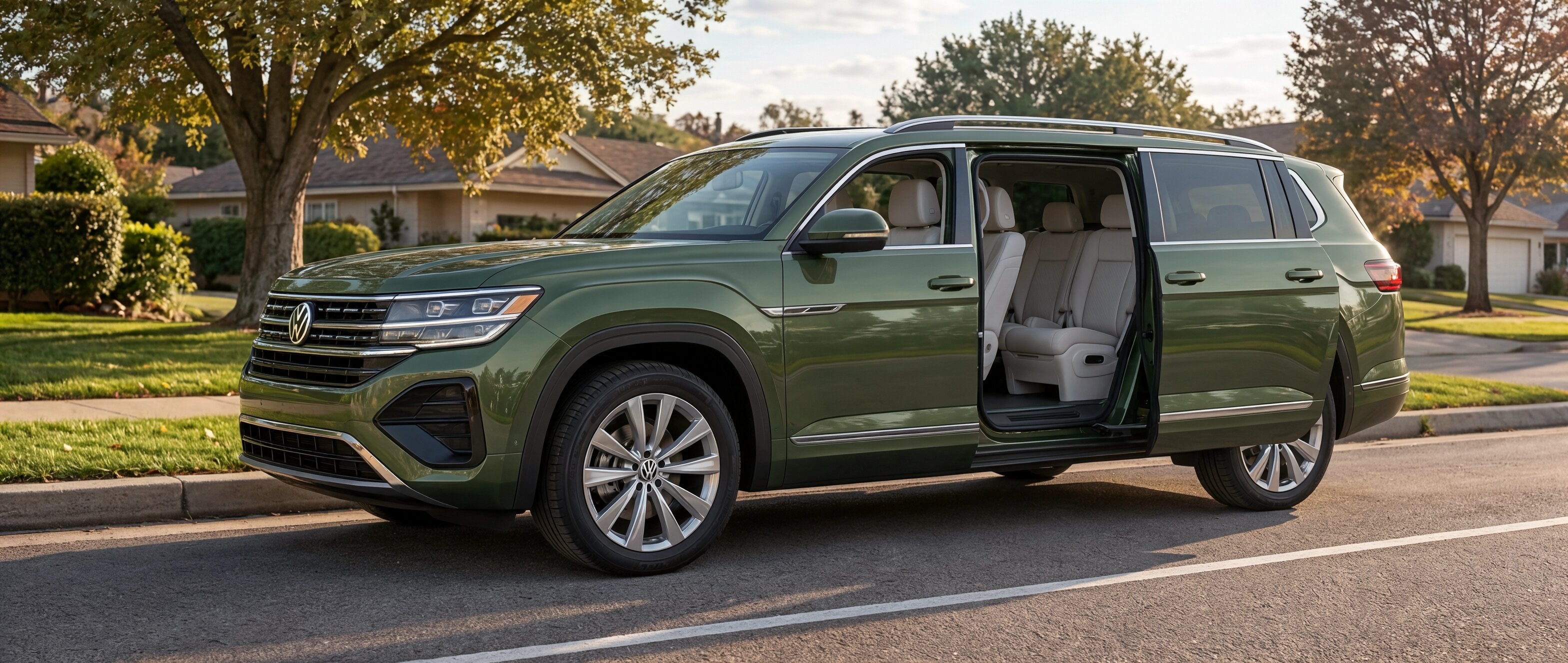
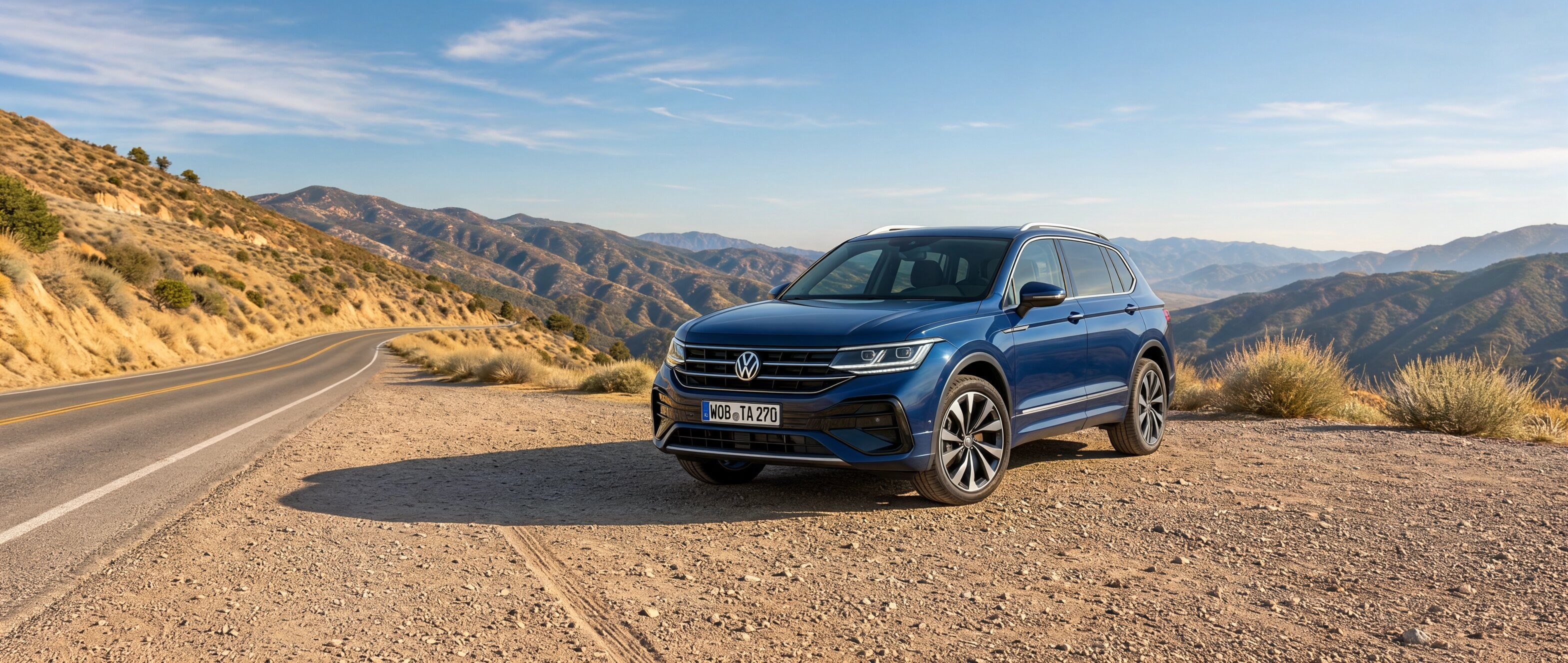
For the full-load holiday run, The Atlas with available 4MOTION AWD is built exactly for it, with seven seats, up to 5,000 pounds of towing, and a 282-horsepower turbocharged engine moving that weight confidently in the wet. For smaller families on the same routes, The Tiguan works with optional AWD and a more compact footprint that's easier to park once you arrive. Traveling solo or as a pair? The Taos fits the holiday trip where agility matters more than a third row. And for commuter runs between Spartanburg, Greenville, and Anderson, the Jetta keeps things efficient through the season.
What Should the Tires and Systems on Your Volkswagen Do Before Holiday Driving?
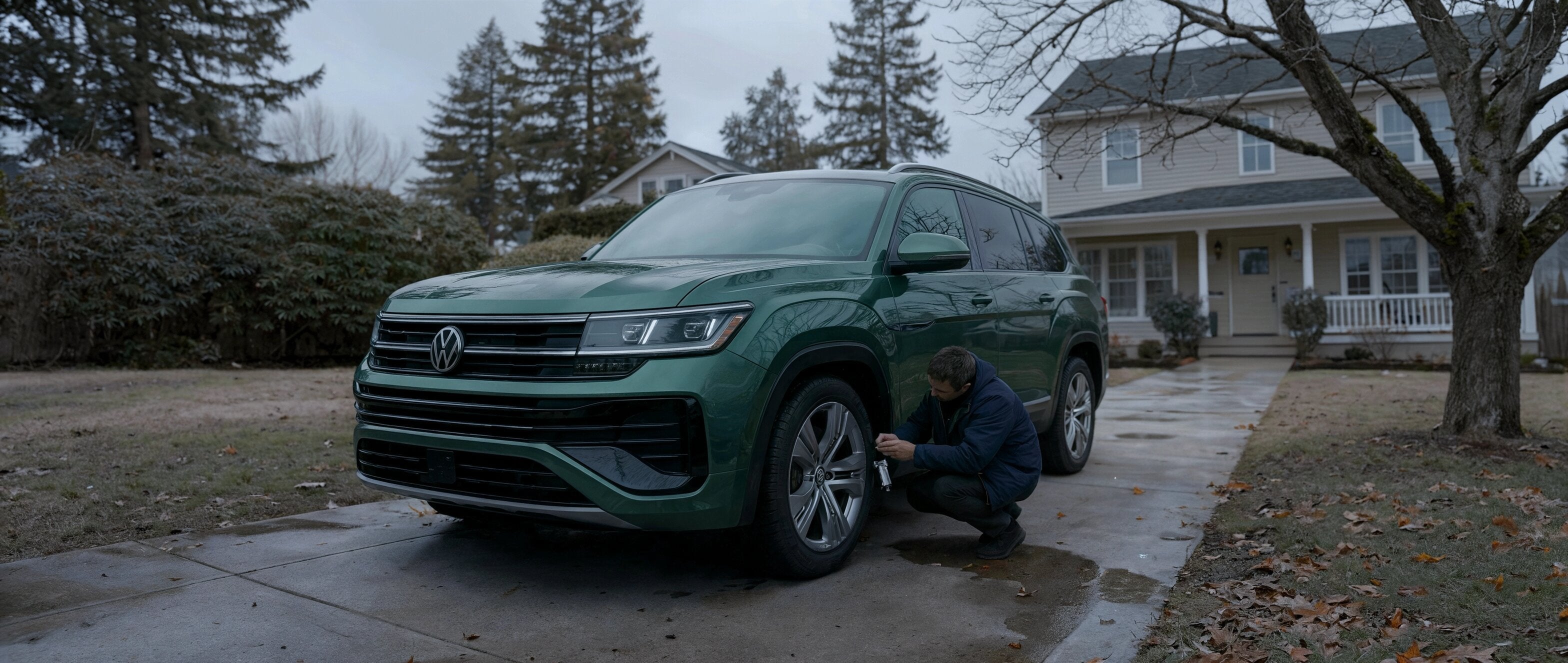
Tires are the single variable that decides whether every other bit of prep on this list actually pays off, so check pressure cold before you drive, inspect tread depth, and look over the sidewalls for cracking before anything else earns your attention. Pressure drops as temperatures fall, which is why you check it cold in the garage. A tread gauge takes seconds. Cracked sidewalls are a replace-now sign, not a wait-and-see one.
Wipers come next. The roadway spray on packed routes during the Wednesday afternoon rush can burn through a half-reservoir of washer fluid before you reach Anderson.