

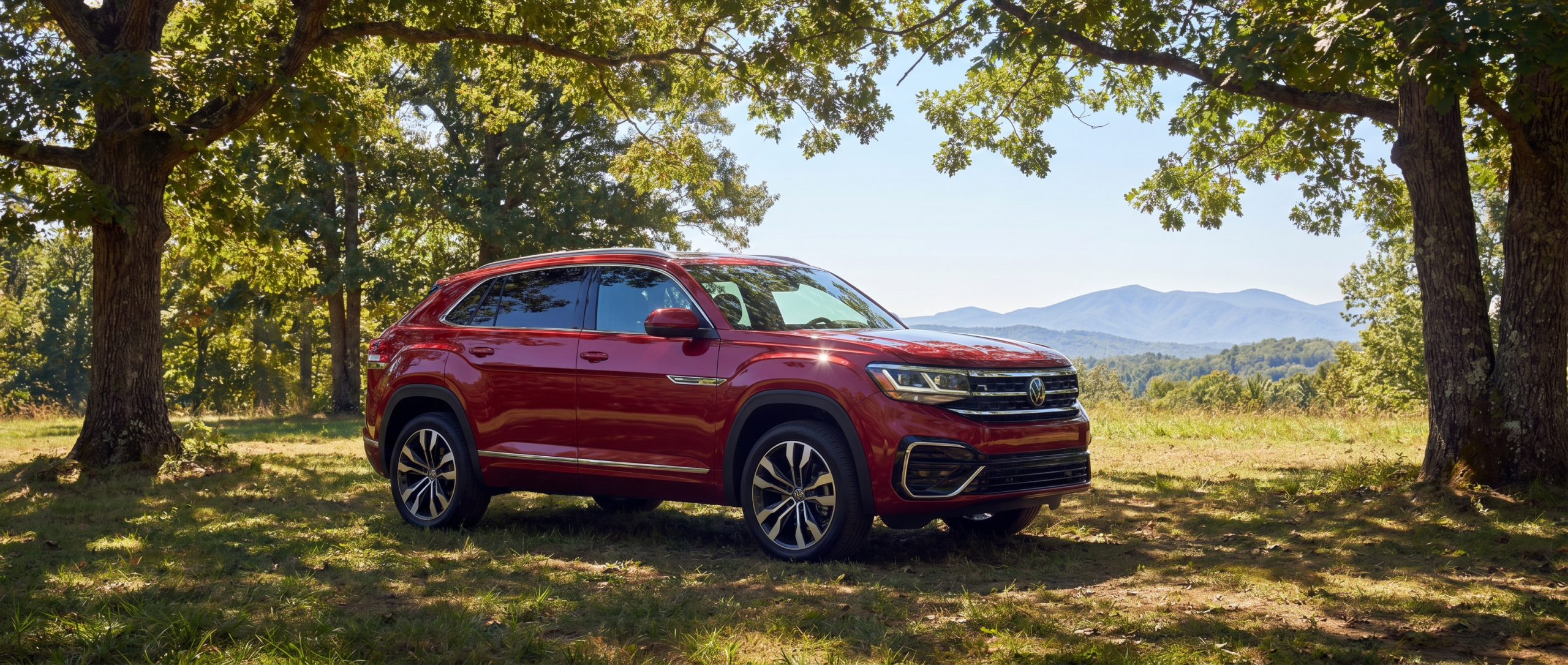
Summer temperatures in Spartanburg, SC regularly climb above 90°F, putting extra strain on your Volkswagen‘s cooling system – but a few preventive measures can keep your engine running smoothly through the hottest months. Whether you’re commuting past BMW Manufacturing or heading to Croft State Park for a weekend adventure, understanding how your vehicle manages heat helps prevent costly breakdowns and extends engine life. This guide covers essential cooling system maintenance, smart driving strategies, and warning signs that every Volkswagen owner in the Upstate should recognize.
Understanding Your Volkswagen’s Cooling System Components
Your Volkswagen’s cooling system maintains optimal engine temperature through a network of components that must work together perfectly – when one fails, the entire system suffers. The heart of this system is the water pump, which circulates coolant through your engine block, radiator, and heater core at a rate of up to 7,500 gallons per hour during highway driving.
The radiator acts as your vehicle’s primary heat exchanger, using aluminum fins and cooling tubes to dissipate engine heat into the surrounding air. Behind it, electric cooling fans activate based on temperature sensors, pulling additional air through the radiator when you’re stopped in traffic or climbing the steep grades near Paris Mountain State Park.
Your thermostat serves as the gatekeeper, remaining closed until the engine reaches operating temperature (typically 195°F), then opening to allow coolant flow. This precise temperature control is especially important during Spartanburg’s variable spring and fall weather, when morning temperatures can differ by 30 degrees from afternoon highs.
| Component | Function | Typical Lifespan | Warning Signs |
|---|---|---|---|
| Water Pump | Circulates coolant | 60,000-90,000 miles | Coolant leaks, whining noise |
| Radiator | Dissipates heat | 8-10 years | Overheating, visible damage |
| Thermostat | Regulates temperature | 10 years | Temperature fluctuations |
| Cooling Fans | Provides airflow | 100,000+ miles | Overheating at idle |
| Radiator Cap | Maintains pressure | 5-7 years | Coolant loss, overheating |
The expansion tank and radiator cap work together to maintain proper system pressure, typically 15-18 PSI, which raises the coolant’s boiling point and prevents vapor pockets from forming in the system.
Essential Summer Maintenance for Spartanburg Volkswagen Owners
Regular cooling system maintenance becomes critical when temperatures at Cleveland Park push into the 90s and humidity levels soar above 70% – conditions that stress even well-maintained vehicles. Start with a comprehensive coolant system inspection every spring, checking for leaks, worn hoses, and proper coolant levels before the summer heat arrives.
- Check coolant level and condition
- Inspect radiator fins for damage or debris
- Test radiator cap pressure rating
- Examine all hoses for cracks or soft spots
- Verify cooling fan operation
- Clean air conditioning condenser
- Test coolant concentration with refractometer
Volkswagen recommends replacing coolant every 4 years or 40,000 miles for most models, but Spartanburg’s hot summers may require more frequent service. The ideal coolant mixture contains 50% antifreeze and 50% distilled water, providing freeze protection to -34°F and raising the boiling point to 265°F with a 15 PSI radiator cap.
Belt inspection deserves special attention, as the serpentine belt drives your water pump on many Volkswagen models. A worn belt can slip under load, reducing water pump efficiency just when cooling demand peaks. Look for cracks, glazing, or fraying, and consider replacement if the belt shows any wear signs.
Air filter replacement might seem unrelated to cooling, but a clogged filter forces your engine to work harder, generating additional heat. During pollen season around Converse College, filters can clog faster than normal, so check yours monthly from March through May. The investment in quality filters pays off through better engine breathing and lower operating temperatures.
Smart Driving Strategies to Prevent Overheating
How you drive during Spartanburg summers significantly impacts your Volkswagen’s cooling system performance – aggressive acceleration and high-speed driving generate substantially more heat than steady, moderate driving. When stuck in traffic on I-85 near Westgate Mall, shift to neutral occasionally to reduce transmission heat buildup, especially important for DSG-equipped models like the Jetta GLI or Golf GTI.
Highway driving actually helps cooling by providing consistent airflow through the radiator, but stop-and-go traffic around downtown Spartanburg challenges your cooling system most. In heavy traffic, maintain extra following distance to improve airflow and avoid riding the brakes, which adds heat to an already stressed system.
- Reduce speed by 10-15 mph from normal
- Use lower gears to keep RPMs moderate
- Take breaks every 60-90 minutes
- Monitor temperature gauge closely
- Consider auxiliary transmission cooler
When climbing long grades toward the Blue Ridge Parkway, downshift to maintain steady RPMs rather than lugging the engine in a high gear. Your Atlas or Tiguan’s turbocharged engine produces less heat at 2,500 RPM in third gear than at 1,800 RPM in fifth gear under the same load.
Using your air conditioning adds heat load to the cooling system, but modern Volkswagen models manage this efficiently. If you notice temperature creeping up, try using the fresh air setting instead of recirculation, which reduces compressor load slightly. Setting the temperature to 72°F instead of maximum cold also helps reduce system strain while keeping you comfortable.
When to Seek Professional Service at Your Spartanburg Dealership
Temperature gauge readings above the center mark demand immediate attention – continuing to drive risks severe engine damage that could cost thousands to repair. If your gauge climbs while driving through Spartanburg, safely pull over, turn off the air conditioning, and let the engine idle with the heater on full blast to help dissipate heat.
- Temperature gauge in red zone
- Steam from under hood
- Sweet smell indicating coolant leak
- Coolant puddles under vehicle
- Heater blowing cold air
- Rough idle or misfiring
- Illuminated check engine light
Never remove the radiator cap when the engine is hot – the pressurized coolant can cause severe burns. Wait at least 30 minutes after shutting down before checking coolant levels, and even then, use extreme caution. If you’re unsure about the severity, it’s time to schedule service rather than risk engine damage.
| Symptom | Possible Cause | Urgency | Typical Repair |
|---|---|---|---|
| Gradual temperature increase | Low coolant | High | Top off and leak test |
| Rapid overheating | Failed water pump | Critical | Component replacement |
| Overheating at idle only | Fan failure | Moderate | Fan motor/relay repair |
| White exhaust smoke | Head gasket | Critical | Major engine repair |
| Coolant in oil | Internal leak | Critical | Engine evaluation needed |
Modern Volkswagen models include sophisticated monitoring systems that can detect problems before they become critical. The ID.4 and other newer models will display specific warning messages, while traditional gauge-equipped vehicles rely on driver observation. Either way, responding quickly to warning signs prevents minor issues from becoming major repairs.
Protecting Your Volkswagen Investment Through Proper Cooling Care
Consistent cooling system maintenance protects your engine investment while ensuring reliable performance through Spartanburg’s hottest months – prevention truly costs less than repair. A well-maintained cooling system typically lasts the life of the vehicle, while neglected systems often fail between 80,000 and 120,000 miles, potentially causing catastrophic engine damage.
Regular professional inspections catch problems early, when repairs are simpler and less expensive. During these inspections, technicians check components you might miss, including heater core operation, head gasket integrity, and water pump bearing play. They also have access to Volkswagen-specific diagnostic tools that identify issues before symptoms appear.
Creating a seasonal maintenance schedule helps ensure nothing gets overlooked. Spring preparation should include cooling system inspection and air conditioning service. Summer focuses on monitoring and maintaining proper levels. Fall service prepares for winter temperature extremes, while winter gives the cooling system its easiest season but still requires attention to antifreeze protection levels.
Browse our new inventory to explore Volkswagen models with the latest cooling technology and efficiency features.
Common Questions About Volkswagen Cooling Systems in Spartanburg, SC
How often should I check my Volkswagen’s coolant level in Spartanburg’s summer heat?
Check your coolant level every two weeks during summer months when temperatures regularly exceed 85°F. Park on level ground, wait for the engine to cool completely, and verify the level falls between the minimum and maximum marks on the expansion tank. More frequent checks help catch small leaks before they become major problems, especially important during South Carolina’s humid summers.
What’s the best coolant type for my Volkswagen in South Carolina’s climate?
Use only Volkswagen G13 (pink/purple) coolant or approved equivalents that meet VW specifications TL 774 J. This organic acid technology coolant provides superior heat transfer and corrosion protection in Spartanburg’s hot, humid climate. Never mix different coolant types or colors, as this can cause chemical reactions that damage cooling system components.
Why does my Volkswagen run hotter when driving through downtown Spartanburg?
Stop-and-go traffic reduces airflow through your radiator while the engine continues producing heat, causing temperatures to rise. Your cooling fans compensate at low speeds, but they’re less efficient than natural airflow at highway speeds. This is normal behavior, but if temperatures climb into the red zone, have your cooling system inspected for issues like partially clogged radiators or weak fan motors.
Can I use regular water instead of coolant during Spartanburg summers?
Never use plain water as it lacks corrosion inhibitors and actually has a lower boiling point than proper coolant mixture. A 50/50 mix of coolant and distilled water provides optimal heat transfer while protecting aluminum components in your Volkswagen’s engine. In emergency situations, water is better than running dry, but have the system properly serviced immediately afterward.
How do Spartanburg’s hills affect my Volkswagen’s cooling system?
Climbing hills toward Paris Mountain or Hogback Mountain requires more engine power, generating additional heat that your cooling system must dissipate. Maintain steady speeds, use appropriate gears to keep engine RPMs in the efficient range, and monitor your temperature gauge closely. Modern turbocharged engines in models like the Tiguan handle hills efficiently, but proper maintenance remains essential.
Should I worry about cooling system problems with a new Volkswagen?
New vehicles have robust cooling systems designed for extreme conditions, but Spartanburg’s combination of heat, humidity, and elevation changes still demands attention. Follow the maintenance schedule in your owner’s manual, perform visual inspections regularly, and address any warning signs promptly. Even new vehicles benefit from seasonal cooling system checks to ensure optimal performance.
Your Partner in Volkswagen Care
Maintaining your Volkswagen’s cooling system through Spartanburg’s sweltering summers doesn’t have to be overwhelming when you have the right knowledge and support. From the simple act of checking coolant levels to understanding warning signs that demand professional attention, every step you take protects your investment and ensures comfortable, reliable driving. The combination of preventive maintenance, smart driving habits, and timely professional service keeps your engine running at optimal temperature regardless of what Mother Nature throws at you. When you need expert cooling system service or have concerns about your vehicle’s performance, the certified technicians at Steve White Volkswagen Spartanburg understand the unique challenges our local climate presents and have the tools and expertise to keep you confidently on the road.

