
Blog

Summer Tire Check Tips for Volkswagen Drivers in Spartanburg, SC

Volkswagen tire maintenance summer safety check Spartanburg SC

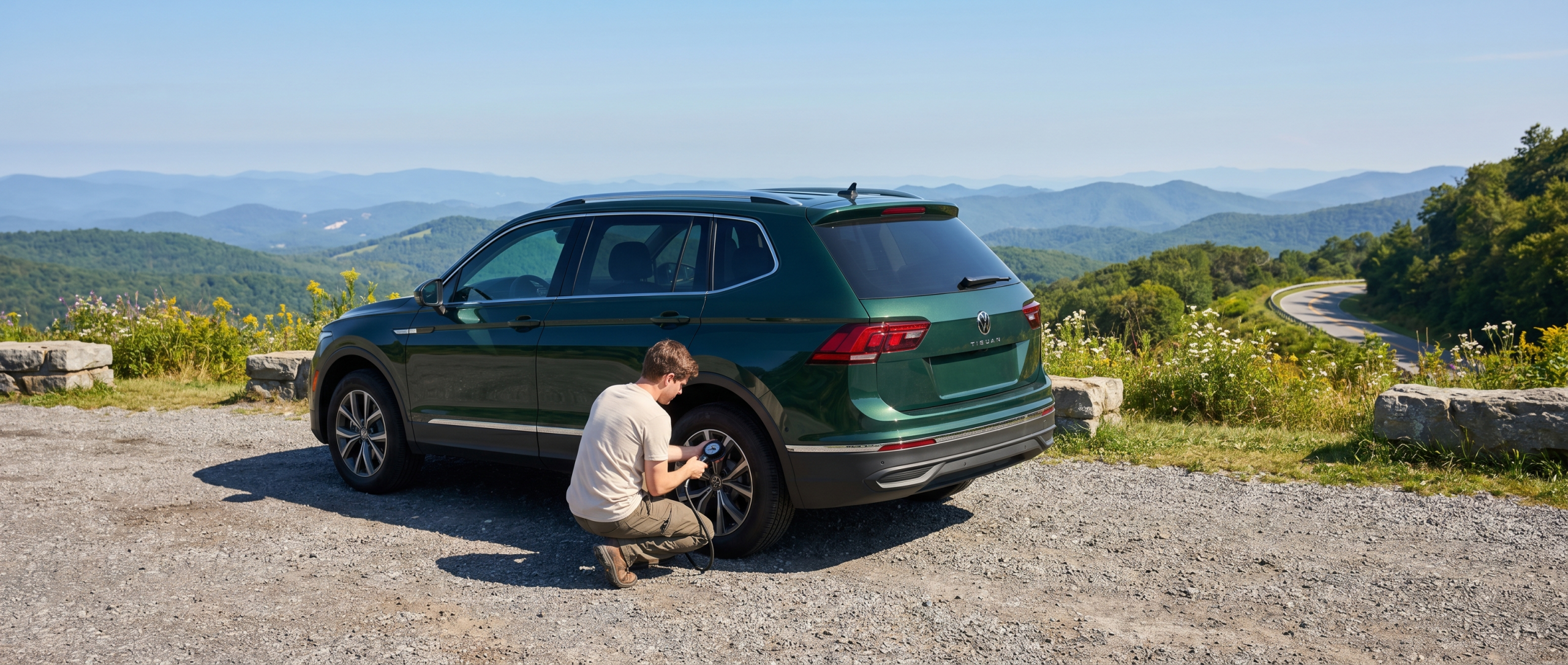
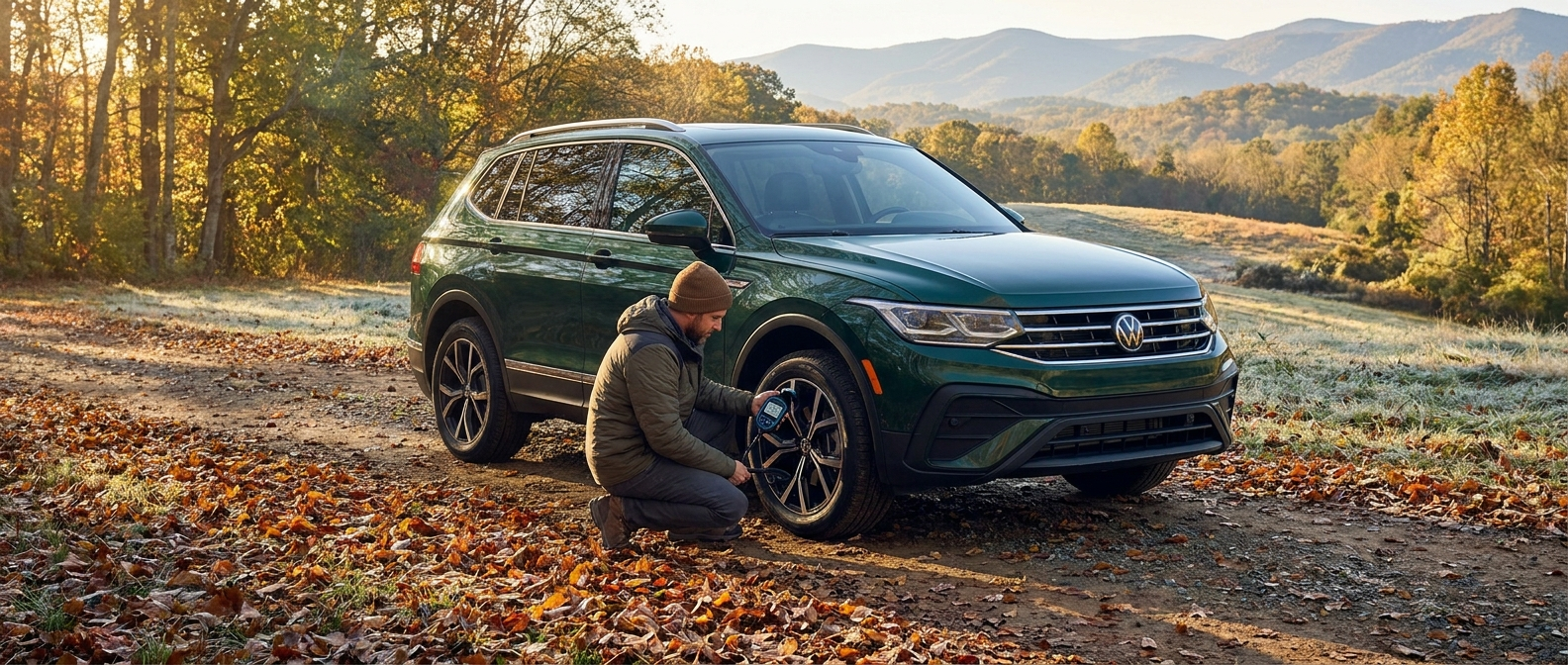
Your tires lose approximately one PSI of pressure for every 10-degree temperature increase, and Spartanburg's summer heat can push pavement temperatures well above 140°F. Summer tire check tips for Volkswagen drivers in Spartanburg, SC help you maintain optimal performance and safety during the hottest months when Interstate 85 and Highway 29 see their heaviest traffic. Understanding how South Carolina's humid summers affect your VW's tires - from the daily commute to Greenville to weekend trips up to the Blue Ridge Parkway - ensures you're prepared for whatever the season brings.

Why Summer Heat Demands Special Attention for Your VW's Tires

Spartanburg's average summer temperature of 88°F creates unique challenges for tire maintenance that many drivers overlook until problems arise. The combination of scorching asphalt, high humidity, and frequent afternoon thunderstorms creates a perfect storm of conditions that accelerate tire wear. Your Tiguan or Atlas might handle beautifully on cool mornings, but by afternoon, underinflated tires can compromise everything from fuel efficiency to emergency braking performance.

Did you know? According to NHTSA data, properly inflated tires can improve your Volkswagen's fuel economy by up to 3% - that's significant savings on those trips between Spartanburg and Charlotte.

The science behind tire pressure changes is straightforward but often misunderstood. As temperatures rise, the air inside your tires expands, potentially leading to overinflation if you filled them during a cool morning. Conversely, if you set pressure during peak heat, morning drives might leave you underinflated. This constant fluctuation is why checking tire pressure at consistent times becomes crucial during South Carolina summers.

Essential Summer Tire Inspection Checklist for Spartanburg Drivers

Regular tire inspections become even more critical when temperatures soar above 90°F for weeks at a time. Here's your comprehensive inspection routine:

Weekly Visual Inspection Points:
  • Check tread depth using the penny test
  • Look for uneven wear patterns indicating alignment issues
  • Inspect sidewalls for cracks, bulges, or damage
  • Verify valve stems aren't cracked or leaking
  • Remove debris from tread grooves
Inspection ItemFrequencyWarning SignsAction Needed
Tire PressureWeeklyBelow manufacturer specAdd air when tires are cool
Tread DepthMonthlyLess than 4/32"Consider replacement
Sidewall ConditionWeeklyCracks or bulgesImmediate inspection needed
Wear PatternsMonthlyUneven wearCheck alignment
Valve StemsMonthlyCracks or damageReplace promptly

The morning hours before 10 AM provide the most accurate pressure readings, especially important for Spartanburg residents who park outdoors. Your Jetta GLI or Golf GTIâ„¢ might require different pressure specifications than larger models, so always consult the driver's door jamb sticker rather than the tire sidewall maximum.

Uneven wear patterns tell important stories about your vehicle's health. Edge wear suggests underinflation, while center wear indicates overinflation. Cupping or scalloping points to suspension issues that need attention before they compromise safety.

How Local Roads and Weather Impact Your Volkswagen's Tires

Spartanburg County's mix of urban streets, rural highways, and the occasional unpaved road creates diverse challenges for tire longevity. The frequent summer thunderstorms that roll through the Upstate region wash oils to the road surface, creating slick conditions that demand maximum tire performance.

Common Spartanburg Road Hazards:
  • Construction debris on I-585 expansion areas
  • Potholes from winter damage on city streets
  • Gravel from rural roads near Cowpens National Battlefield
  • Standing water in low areas during afternoon storms
  • Hot tar repairs that can stick to tire treads

The route from downtown Spartanburg to BMW Manufacturing frequently sees heavy truck traffic, accelerating road wear that translates to rougher surfaces for your tires. Weekend trips to popular destinations require different considerations - the winding roads up to Campbell's Covered Bridge or out to Croft State Park demand tires with responsive handling and reliable grip.

Pro tip: After driving through construction zones near Westgate Mall or along Highway 176, inspect your tires for embedded debris that could cause slow leaks or future punctures.

Temperature fluctuations between Spartanburg's valley location and higher elevations near the North Carolina border can mean 10-15 degree differences. This affects tire pressure significantly, especially noticeable when driving your Atlas Cross Sportâ„¢ loaded with camping gear for a weekend at Table Rock State Park.

Maximizing Tire Life Through Proper Summer Maintenance

Strategic maintenance during summer months can extend your Volkswagen's tire life by thousands of miles while ensuring optimal safety and performance. The key lies in consistency and understanding how seasonal factors affect tire wear.

Summer Tire Rotation Schedule:
  • Every 5,000-7,500 miles for most VW models
  • More frequently if you notice uneven wear
  • Always follow your specific model's pattern
  • Document rotations for warranty compliance

Proper tire rotation becomes even more critical during summer when heat accelerates wear patterns. Front tires on your front-wheel-drive Taos or Jetta work harder during acceleration and steering, wearing faster than rear tires. Regular rotation ensures even wear distribution and maximizes the lifespan of your entire set.

Browse our new inventory to see the latest Volkswagen models with advanced tire pressure monitoring systems that take the guesswork out of maintenance.

Maintenance TaskSummer FrequencyWhy It MattersDIY or Professional
Pressure CheckWeeklyHeat causes fluctuationDIY
RotationEvery 5,000 milesPrevents uneven wearProfessional recommended
BalanceEvery 10,000 milesReduces vibrationProfessional required
AlignmentAnnually or as neededEnsures even wearProfessional required

Alignment issues become more apparent during summer driving when you're covering more miles. If your ID.Buzzâ„¢ pulls to one side on Highway 221 toward Chesnee, or if you notice the steering wheel isn't centered when driving straight, alignment service can prevent premature tire replacement.

Recognizing When Your VW Needs New Summer Tires

South Carolina summers can reveal tire issues that cooler weather might mask, making vigilance essential for safety and performance. Understanding the signs of tire failure helps you act before small problems become dangerous situations on busy roads around Spartanburg Regional Medical Center or during rush hour on I-85.

The legal minimum tread depth is 2/32", but waiting until tires reach this point compromises safety, especially during summer thunderstorms. Most tire professionals recommend replacement at 4/32" for optimal wet weather performance - critical when afternoon storms can drop an inch of rain in 30 minutes.

Clear Replacement Indicators:
  • Tread wear indicators (wear bars) become flush with tire surface
  • Sidewall damage including cuts, bulges, or severe cracking
  • Vibration that persists after balancing
  • Age exceeding six years regardless of tread depth
  • Multiple puncture repairs in one tire
Did you know? Tires manufactured before 2000 lack modern compounds that resist UV damage - a significant factor in Spartanburg's sunny climate where vehicles often park outdoors at places like WestGate Mall or downtown Morgan Square.

Your Tiguan might still have decent-looking tread, but if the tires are approaching their sixth birthday, the rubber compounds have likely hardened, reducing grip in both wet and dry conditions. This aging process accelerates in hot climates, making the manufacture date (found on the tire sidewall) as important as tread depth.

Check out our pre-owned inventory for certified vehicles with recently replaced tires that meet Volkswagen's strict standards.

Common Questions About Summer Tire Care in Spartanburg, SC

How often should I check my Volkswagen's tire pressure during Spartanburg summers?

Check your Volkswagen's tire pressure weekly during summer months, preferably in the morning before driving when tires are cool. Spartanburg's temperature swings between cool mornings and 90°F+ afternoons can cause pressure variations of 3-4 PSI, affecting fuel economy and handling. The TPMS in newer VW models provides alerts, but manual checks ensure optimal performance.

What's the best tire pressure for my VW when driving to the mountains from Spartanburg?

Maintain the manufacturer-recommended pressure listed on your driver's door jamb, typically 32-36 PSI depending on your Volkswagen model. The elevation change from Spartanburg to destinations like Caesar's Head State Park affects pressure minimally. Avoid the temptation to overinflate for highway driving, as proper pressure ensures the best contact patch for safety.

Do I need different tires for Spartanburg's hot summers compared to our mild winters?

Most Spartanburg Volkswagen drivers can use all-season tires year-round given our moderate winters with average lows around 35°F. Premium all-season tires perform well in summer heat and occasional winter weather. However, if you frequently drive to ski resorts in North Carolina, consider dedicated winter tires for those trips rather than compromising summer performance.

Where can I dispose of old tires in Spartanburg County?

Spartanburg County operates several recycling centers that accept tires, including locations on Highway 150 and Foster Street. Many tire retailers also offer disposal services when purchasing new tires. Proper disposal prevents environmental damage and follows South Carolina regulations. Never leave old tires in vacant lots or on roadsides.

How does Spartanburg's humidity affect my Volkswagen's tire pressure monitoring system?

Spartanburg's average 70% summer humidity doesn't directly affect your VW's TPMS sensors, but rapid weather changes can trigger false warnings. Morning fog followed by afternoon heat creates pressure fluctuations that might activate alerts. If your TPMS light appears during weather transitions, manually verify pressure before assuming sensor failure.

What tire brands does Volkswagen recommend for Spartanburg driving conditions?

Volkswagen approves several tire brands that perform well in South Carolina's climate, including Continental, Bridgestone, and Pirelli. Original equipment tires are specifically chosen for each model's handling characteristics. Your Jetta GLI requires different performance specifications than an Atlas, so consult your owner's manual or service advisor for model-specific recommendations.

Your Partner for Summer Tire Care and Beyond

Proper summer tire maintenance keeps your Volkswagen performing safely through Spartanburg's hottest months and extends the life of your investment. From weekly pressure checks to recognizing replacement indicators, staying proactive prevents roadside emergencies and ensures confident driving whether you're navigating downtown traffic or exploring the scenic routes around Lake Bowen. Regular professional inspections complement your DIY checks, catching issues that might escape notice until they compromise safety or performance. The team at Steve White Volkswagen Spartanburg understands local driving conditions and can recommend the ideal tire solutions for your specific VW model and driving patterns.
Steve White Volkswagen Spartanburg

2671 Reidville Rd, Spartanburg, SC 29301

(864) 585-2492

Recommended Posts

2026 Volkswagen Tiguan in a Spartanburg SC parking lot near WestGate Mall

Your Volkswagen Fit Checklist for Drivers Near WestGate and Spartanburg Regional

The route between WestGate Mall on West Blackstock Road and Spartanburg Medical Center on East Wood Street sounds simple. In practice it's anything but. You're navigating one of the busiest commercial corridors in Upstate South Carolina, swapping between a sprawling surface lot and a multi-deck hospital parking structure, and doing it regularly. Browse our current Volkswagen inventory to see what's on the lot right now, but read this first. The right model for this particular driving life isn't just the one you like. The one that clears the checklist below is what you're after. What Goes on the Checklist? Five questions decide which Volkswagen fits your WestGate-to-Spartanburg-Regional life, and working through each one before you set foot in a showroom saves you a test drive spent chasing the wrong car. Work through each one honestly. The Checklist Parking geometry (does the car fit the Spartanburg Regional structured deck and the WestGate surface lot without white-knuckle maneuvering?) Commute fuel economy (will the EPA highway rating hold up across your I-85 or I-26 corridor run?) Cargo room for your actual load (weekly Costco haul, scrubs bag plus lunch bag, or full family gear?) Passenger count (is a second or third row a real need, or are you paying for space you never use?) AWD or FWD (Upstate SC winters bring ice events on I-85 that the forecast calls wrong; how risk-averse are you?) So that's it. Five filters. Every Volkswagen in our lineup clears at least three of them. None clears all five the same way. What each one does and doesn't do comes next. The Reasoning Behind Each Item The Volkswagen Jetta is the answer when fuel economy and parking ease matter most and you're driving solo or with a single passenger, though it asks you to give up real cargo depth to get there. The Volkswagen Jetta earns an EPA rating of 29 city / 40 highway mpg with the 1.5-liter turbo and eight-speed automatic. That highway number is the highest in the Volkswagen lineup. On a daily run down I-26 from the WestGate corridor toward downtown Spartanburg, or a longer haul on I-85 toward Greenville or Anderson, you'll feel that efficiency every fill-up. The downside is straightforward. The trunk's a sedan trunk. Your Costco run will fill it, and add a stroller and it's genuinely tight. Step up to The Volkswagen Taos when you need an SUV footprint without committing to a larger vehicle. The 2026 Taos earns an EPA-estimated 28 city / 36 highway mpg (FWD), only marginally below the Jetta, and its compact dimensions slot it into the Spartanburg Regional parking deck without the anxiety a full-size SUV creates. The real tradeoff is cargo depth behind the second row. It's smaller than it looks. If you're a Costco-plus-Target-on-the-same-trip driver, the Taos works. If you're loading pediatric gear for three kids, the Atlas is the correct answer. For drivers who want a compact SUV that feels substantial, The Volkswagen Tiguan is where a lot of our team's conversations land. The 2026 Tiguan's base 2.0L turbo delivers 201 horsepower, and the EPA rates FWD models at up to 26 city / 34 highway mpg. The rebuilt 2026 body is noticeably quieter inside than the previous generation, which matters on a long I-85 stretch. There's no third row here. Volkswagen made that call deliberately, and if three rows are non-negotiable, keep reading. The Volkswagen Atlas is the answer if three rows are the actual requirement. The EPA rates The Volkswagen Atlas FWD at 20 city / 27 highway mpg. That number stands, no dressing it up. You trade efficiency for the ability to carry seven people, and for a lot of Spartanburg families with school-aged kids, that trade makes complete sense on the weekend even if the daily commute is solo. The Atlas is a long vehicle. In the structured decks at Spartanburg Medical Center, tight pull-in angles are real, so know your comfort level with that before you commit. A note from our team: Spartanburg's ice events tend to hit the I-85 corridor in January and February. AWD is available on both the Tiguan and Atlas, and FWD handles most Upstate SC winters just fine. But if your shift starts at 5 a.m. and the overnight forecast was "partly cloudy," 4MOTION gives you a margin that matters on an on-ramp. Item-by-Item: What Each Model Delivers Checklist Item Jetta Taos Tiguan Atlas Parking ease (tight decks) Excellent Very Good Good Challenging EPA highway mpg 40 36 34 (FWD) 27 (FWD) Cargo room (practical) Moderate Good Better Best Passenger count 5 5 5 7 AWD available No Yes Yes Yes The Volkswagen Golf GTI earns a separate mention because it doesn't fit the matrix above. It isn't an SUV, and it won't carry a family's weekend gear. But if you're a Spartanburg Regional nurse practitioner whose shift ends at 7 p.m. and the drive home on I-85 is where you decompress, the 2026 Golf GTI's 241-horsepower 2.0-liter turbo and 24 city / 32 highway mpg make a real case. German engineering's hot-hatch formula hands you a genuine driver's car that still costs you nothing extra to fill. That's the GTI's pitch, and it's an honest one. See Current Volkswagen Offers A Print-and-Go Recap Before You Visit Bring this list to the showroom, because the answers you already have will make the conversation with our team at Steve White Volkswagen Spartanburg on Reidville Road faster and sharper than starting from scratch. We'll walk you through each question in person. Parking geometry: If you use a structured deck regularly (Spartanburg Regional, hospital campus), the Jetta and Taos are the easiest choices. The Tiguan is manageable. The Atlas requires confidence. Commute economy: I-26 and I-85 corridor drivers who prioritize fuel cost should look at the Jetta first (EPA-estimated 40 highway mpg), then the Taos (EPA-estimated 36 highway mpg). Cargo reality: Weekend Costco runs and family gear point toward the Tiguan or Atlas. Solo or couple's daily driving fits the Jetta or Taos without compromise. Passenger count: Three rows are only on the Atlas. Every other Volkswagen in the lineup seats five. AWD availability: Available on the Taos, Tiguan, and Atlas. Not available on the Jetta or Golf GTI. The Golf GTI: Only for drivers who genuinely value the driving experience on a daily commute. Not a family hauler. No pretense about what it is. Come in with your checklist answers and we'll find your car. That's really how it works. Frequently Asked Questions Which Volkswagen is easiest to park in Spartanburg Regional's hospital campus decks? The 2026 Volkswagen Jetta and the 2026 Volkswagen Taos are the most manageable choices for structured parking decks. Both carry compact overall dimensions that handle tight pull-in angles without difficulty. The 2026 Volkswagen Tiguan is a step larger but still workable for most drivers. The 2026 Volkswagen Atlas is noticeably long and wide and can feel challenging in multi-deck hospital structures with tight turning radii. Is a Volkswagen good for daily commuting on the I-26 or I-85 corridor near Spartanburg? Yes, and the efficiency gap across models is real. The EPA rates the 2026 Volkswagen Jetta at 40 highway mpg, making it the most fuel-efficient option in the lineup for corridor driving. The 2026 Volkswagen Taos follows at an EPA-estimated 36 highway mpg. Both the Tiguan and Atlas deliver lower highway ratings but add cargo space and, on AWD trims, extra all-weather traction for the ice events that periodically hit the I-85 corridor in Upstate South Carolina. Explore Financing Options Steve White Volkswagen Spartanburg 2671 Reidville Rd, Spartanburg, SC 29301 (864) 585-2492

2026 Volkswagen Atlas Cross Sport parked at a Blue Ridge foothills trailhead in Spartanburg, SC, rear cargo area open on a summer morning

When the Kids Leave, the Car Should Fit the Life You Actually Have Now

In this article Why Does the Atlas Cross Sport Fit Here? The Cargo Math Is the Honest Case for This Vehicle The Honest Tradeoff: This Isn't the Right Call for Everyone The Powertrain Fits an Upstate Driving Pattern The third row earned its keep back when you needed it. These days you fold it flat to load a bike, and you do that more and more while the row sits empty between errands. If that sounds like your week, you're driving the wrong vehicle. We see it plenty here at Steve White Volkswagen Spartanburg. Couples and empty nesters who've outgrown the logic of a seven-seat SUV, but aren't ready to give up the space, the confidence, or the feel of a real Volkswagen. The 2026 Atlas Cross Sport fits that moment exactly. The 2026 Volkswagen Atlas Cross Sport gives Spartanburg empty nesters full-size cargo capability and a refined two-row cabin without the family-hauler proportions (the right-sizing move when your regular passengers are now a partner, weekend gear, and maybe a dog). Why Does the Atlas Cross Sport Fit Here? Spartanburg puts you about 90 minutes from the Blue Ridge and roughly as far from the coast on I-26, and both of those runs are the kind that actually happen now that your calendar isn't locked around school schedules, so the fair question is whether your vehicle was built for the life you have or the one you used to have. Those trips aren't theoretical anymore. They're the weekend now. Spartanburg Condition or Use The Feature That Handles It Why It Matters Here Blue Ridge foothills runs on SC Highway 11 4Motion AWD with Snow and Off-Road drive modes Handles fall and winter surface changes on the Cherokee Foothills Scenic Highway I-26 coast run to Charleston EPA-rated 27 mpg highway (FWD) / 26 mpg (AWD) A full tank comfortably covers the corridor with room to spare Croft State Park gear hauls (bikes, kayaks, camping) 40.3 cu.ft. cargo behind rear seats; 77.6 cu.ft. with seats folded Carries two full-size bikes or a weekend's worth of gear without a trailer Pulling a small camper or utility trailer Up to 5,000 lbs braked towing capacity (SE with Technology and above) Handles enclosed trailers and lighter campers (a real number from Volkswagen, not an asterisk) Long drives without fatigue Heated and ventilated front seats standard across all trims Matters on a three-hour run on a South Carolina August afternoon Daily Spartanburg driving without losing the luxury feel 12-inch floating touchscreen and 10.25-inch Digital Cockpit Pro standard Cabin tech that holds its own against what you'd find in vehicles costing significantly more The Cargo Math Is the Honest Case for This Vehicle The Cross Sport carries more cargo in its two-row layout than most seven-seaters manage with the third row still up, and that's the quiet fact the brochure tends to skip. Volkswagen rates the 2026 Atlas Cross Sport at 40.3 cubic feet behind the rear seats and 77.6 cubic feet with the second row folded. That 40.3 number sits behind two people, not a third row of seat hardware eating into space you'd rather use. The geometry does real work. The load floor sits flat once the seats fold. Browse our current Atlas Cross Sport inventory to see which trims are in stock (the SEL and above add a panoramic sunroof and leather seating, the configuration for buyers who've done their time in cloth-and-plastic family vehicles and want something that feels earned). Drivers who come in after years in three-row SUVs often tell us the Cross Sport's second row surprises them. With no third row eating into the packaging, Volkswagen slid that seat rearward. Legroom in the second row measures 40.4 inches, generous enough for adults, grandkids included. When the grandkids visit, the back seat's genuinely comfortable for them too. You keep the utility. You just stop pretending it's a daily need. Tip: If you plan to run SC Highway 11 regularly in the fall, the Snow drive mode and 4Motion AWD are worth selecting at the time of purchase. AWD becomes standard from the SEL trim upward, so you won't need to add it as an option. Next step: Our team on Reidville Road can walk you through the trim comparison in person. The jump from SE with Technology to SEL is where the features that matter at this stage (leather, panoramic sunroof, seat memory) tend to consolidate. Worth 20 minutes of your time before you decide. The Honest Tradeoff: This Isn't the Right Call for Everyone If you regularly seat six or seven adults for extended trips, holiday travel, carpooling a group, or a reunion where everyone rides together, the three-row Volkswagen Atlas is the better vehicle, and we'd rather tell you that plainly than let you find out on your own. It exists for exactly that use case. The Cross Sport swaps that third row for a sloping roofline, a sleeker silhouette, and a cabin that puts more of the emphasis on the front two seats. Volkswagen designed it that way on purpose. The tradeoff pays off when your regular load is two people and gear instead of a full seating chart. Spartanburg hands you plenty of reasons to put that cargo space to work. Croft State Park's 7,054 acres of trails and lakes sit about ten minutes south of town. The Blue Ridge Mountain foothills are visible from here on a clear morning. Those drives happen in a Cross Sport better than they happen in something you bought for a family configuration you no longer need. The Powertrain Fits an Upstate Driving Pattern The 2026 Atlas Cross Sport runs a turbocharged 2.0-liter four-cylinder making 269 horsepower and 273 lb-ft of torque through an eight-speed automatic, and that's a genuine mid-size powertrain with no small-SUV engine hiding under a big badge, which shows up more on Upstate grades than the spec sheet lets on. The torque number matters for Upstate drivers because the I-85 corridor between Spartanburg and Greenville has enough grade variation and merge situations that you'll want power on tap before you fully press the pedal, not three seconds after. EPA ratings put the FWD version at 20 city and 27 highway. The AWD models (SE and SE with Technology AWD) come in at 20 city and 26 highway. On a run from Spartanburg to Charleston on I-26, 27 highway mpg in an SUV this size is a real number. Drive Mode Select is standard on all trims and gives you Eco, Comfort, Sport, Custom, and Snow settings. Explore financing options before your visit. Knowing your numbers before you walk in saves time, and it tends to make the conversation a calmer one. The SEL adds 4Motion AWD as standard, the configuration worth having when you're thinking about fall runs through the foothills. See Current Volkswagen Atlas Cross Sport Offers Steve White Volkswagen Spartanburg 2671 Reidville Rd, Spartanburg, SC 29301 (864) 585-2492

2026 Volkswagen Atlas with open liftgate at a Spartanburg-area youth baseball complex, loaded with sports gear

4 Volkswagen Vehicles That Make Practice Night at Tyger River Park Actually Work

In this article The Ranking at a Glance 1. Volkswagen Atlas: The Tyger River Park Workhorse 2. Volkswagen Tiguan: The Smart Compact for Smaller Families 3. Volkswagen ID. Buzz: Electric, Sliding Doors, and More Space Than It Looks 4. Volkswagen Taos: The Fuel-Efficient Answer for the One-Athlete Family Which One Actually Fits Your Family? If you've driven out to Tyger River Park on a Tuesday evening, you already know the drill. Thirteen fields spread across 137 acres means the lots fill faster than the first inning ends, gear bags seem to multiply on their own, and an Upstate South Carolina afternoon storm can turn the grassy overflow lot into something that demands more traction than a typical family SUV expects to find. So the vehicle you show up in matters. We measured the 2026 Volkswagen lineup against what Spartanburg practice-night parents actually deal with, and here's where we landed. The 2026 Volkswagen Atlas is the clearest fit for a multi-kid family hauling full loads, though three other models earn a serious look depending on your squad size. The Ranking at a Glance Here's how the Volkswagen lineup stacks up against the specific demands of a Tyger River Park practice routine, weighing cargo room, passenger count, fuel efficiency, and the parking reality of a 137-acre regional complex. Rank Model Best For Standout Spec 1 Atlas Multi-kid families, full gear loads 96.6 cu ft max cargo, 7 seats, tows up to 5,000 lb 2 Tiguan Small families wanting German efficiency EPA-est. 26/34 mpg city/hwy (FWD), 69.8 cu ft folded 3 ID. Buzz EV-ready parents who value sliding doors EPA-est. 234 miles range, 145.5 cu ft max cargo 4 Taos Solo-athlete households watching fuel costs EPA-est. 28/36 mpg city/hwy (FWD), 65.9 cu ft folded 1. Volkswagen Atlas: The Tyger River Park Workhorse The Atlas answers the practice-night problem better than anything else Volkswagen builds, giving you three rows, seven seats, and cargo room that makes a pickup feel modest, though you pay for all that capability with the largest footprint on this list once the lots tighten up. Behind the third row, the 2026 Atlas carries 20.6 cubic feet according to Volkswagen. You'll fit a full equipment bag and a cooler back there without touching the seats. Fold that row down and you're at 55.5 cubic feet. Clear both rear rows and the maximum reaches 96.6 cubic feet. Those numbers stop feeling abstract the first time you load four kids' worth of gear after a late tournament game. Under the hood, the 2026 Atlas runs a 2.0-liter TSI engine making 269 horsepower and 273 lb-ft of torque through an eight-speed automatic, and Volkswagen offers 4Motion all-wheel drive on every trim. On SE with Technology trim and above, it's rated to tow up to 5,000 pounds with the standard hitch, which helps if a tournament weekend ever involves a camper or utility trailer, and the EPA rates FWD models at 20 city and 27 highway. The one catch is size. As the largest vehicle on this list, the Atlas shows it in the tighter lots, and Tyger River's busiest tournament days pack the rows. Get there before the overflow starts and think about where you park. You gain maximum family capability and give up a little parking-lot agility. For a family of five or more with two kids in different sports, we think that's exactly the right trade. Browse the Atlas at Steve White Volkswagen Spartanburg 2. Volkswagen Tiguan: The Smart Compact for Smaller Families The Tiguan is the pick when you want genuine German engineering in something that still parks like a normal car on a crowded Tuesday, and the trade is capacity, since it seats five across two rows instead of the seven the Atlas gives you. Five seats, two rows, and a cargo layout that surprises people. Behind the rear seats, you'll find 33.8 cubic feet, per Volkswagen. Fold those seats nearly flat and the space opens to 69.8 cubic feet. You'll fit a bat bag, a folding camp chair, and still have room left over. Fuel economy is where the Tiguan earns points on this list. The EPA estimates the 2026 Tiguan FWD at 26 city and 34 highway. If your practice nights mean repeated Reidville Road runs, that efficiency compounds quickly. The top SEL R-Line Turbo trim pushes output to 268 horsepower, and 4Motion all-wheel drive is available across the lineup. Wet grass and damp asphalt in a lot that's overflowed onto a field? Upstate's summer storm season is real. Asking about 4Motion when you configure your trim is worth a few minutes of that conversation. We'll be direct about the seating. The 2026 Tiguan is a five-passenger vehicle. Volkswagen removed the optional third row in the recent redesign, trading that seat for better rear legroom and a more refined interior. If you regularly fill seven seats, the Tiguan isn't your vehicle. For a family of four, or parents with one athlete and a sibling in tow, it's sharp and composed in a way that makes the post-practice drive home feel less like work. See the 2026 Tiguan lineup 3. Volkswagen ID. Buzz: Electric, Sliding Doors, and More Space Than It Looks The ID. Buzz earns its spot here for more than the retro looks, since it's a three-row, six- or seven-seat hauler whose sliding rear doors solve a real problem at a packed regional complex, though it asks something of you in return that a gas model won't. Pull into a crowded row at Tyger River, and those sliding doors mean zero worry about flinging a panel into the next driver's vehicle. That's a genuine daily benefit, not a novelty. The 2025 ID. Buzz carries an EPA-estimated 234 miles of range on the rear-wheel-drive version, powered by a 91 kWh battery. Behind the third row you get 18.6 cubic feet, a bit tighter than the Atlas. Fold the third row and that opens to 75.5 cubic feet. Clear both rear rows and Volkswagen's maximum cargo figure reaches 145.5 cubic feet. The interior also includes a sliding center console (Volkswagen calls it the Buzz Box) that moves between the front seats and can be removed entirely to create a walk-through path from the driver's position to the second row. With younger kids, that walk-through isn't a gimmick. You'll use it. The tradeoff is worth weighing before the retro shape wins you over. The ID. Buzz makes the most practical sense when you can charge at home. Spartanburg's public charging is growing, but building a practice-night routine around public chargers adds friction to an already busy schedule. If you can plug in overnight, those runs to Dillard Road won't cost you a drop of gas. If home charging isn't in place yet, answer that question first before this vehicle makes sense. See Current Volkswagen Specials Buying Caution: 4Motion all-wheel drive is available across most of this Volkswagen lineup, but it isn't always standard on the trim you're eyeing. On the 2026 Atlas, it's standard on upper trims and available on the SE. On the 2026 Tiguan and Taos, it's available throughout but standard only at the top trim. Upstate South Carolina's July and August storm season creates legitimately slick parking conditions at outdoor sports facilities. Confirm the specific trim's drivetrain before you finalize any decision. The 2026 Atlas is the only vehicle in the Volkswagen lineup rated to tow up to 5,000 pounds, seat seven passengers, and deliver up to 96.6 cubic feet of maximum cargo volume. No other model in this lineup reaches that combination. 4. Volkswagen Taos: The Fuel-Efficient Answer for the One-Athlete Family The Taos is the answer when the operation is smaller, built for the one-athlete, one-gear-bag, twice-a-week trip to Tyger River, and it wins this list on fuel economy, though the tradeoff you accept is that it carries no tow rating at all. The EPA rates the Taos FWD at 28 city and 36 highway, the strongest gasoline fuel economy in this lineup. Behind the rear seats you have 27.9 cubic feet, per Volkswagen. Fold those seats and the space opens to 65.9 cubic feet. You'll fit a full equipment bag and a backpack without any creative loading required. Under the hood, the Taos runs a 1.5-liter turbocharged four-cylinder making 174 horsepower and 184 lb-ft of torque through an eight-speed automatic. Four Motion AWD is available, standard only on the top SEL trim. One thing to flag plainly is the tow rating. The Taos carries no tow rating, so if any part of your plan involves pulling a trailer, look at the Tiguan or Atlas instead. For the practice-night-only parent who isn't towing anything and wants a lighter fuel budget, that limitation is completely irrelevant. The Taos is the right-sized tool for the right-sized job. It parks easily, feels composed on the highway section of I-85, and still carries the German engineering quality that makes Volkswagen worth choosing over a generic compact crossover. If one player, one bag, and 36 mpg on the way home sounds like your Tuesday, this is your pick. View the 2026 Taos at Steve White Volkswagen Spartanburg Which One Actually Fits Your Family? The right call comes down to how many seats you fill and how much you haul, so match the vehicle to the job rather than the badge. Multi-kid families filling all three rows and loading a trunk's worth of gear? That's an Atlas situation. Full stop. Small family of four who wants to minimize fuel stops and still load comfortably? The Tiguan is sharper and more practical than it looks on paper. You have home charging set up, one or two kids, and you'd rather stop paying for gasoline entirely? The ID. Buzz earns that conversation in person. One athlete, straightforward gear, tightest fuel budget in the group? The Taos does the job cleanly. Our team at Steve White Volkswagen Spartanburg on Reidville Road can put you in any of these and let you feel the actual difference before you decide. The right answer depends on how many seats you're filling, how much you're hauling, and whether a plug-in makes sense for where you park at home. We'd rather you leave in the vehicle that fits your Tuesday nights than the one that sounds impressive in a ranking table. By the Steve White Volkswagen Spartanburg Team | August 2026 Value Your Current Vehicle Steve White Volkswagen Spartanburg 2671 Reidville Rd, Spartanburg, SC 29301 (864) 585-2492