

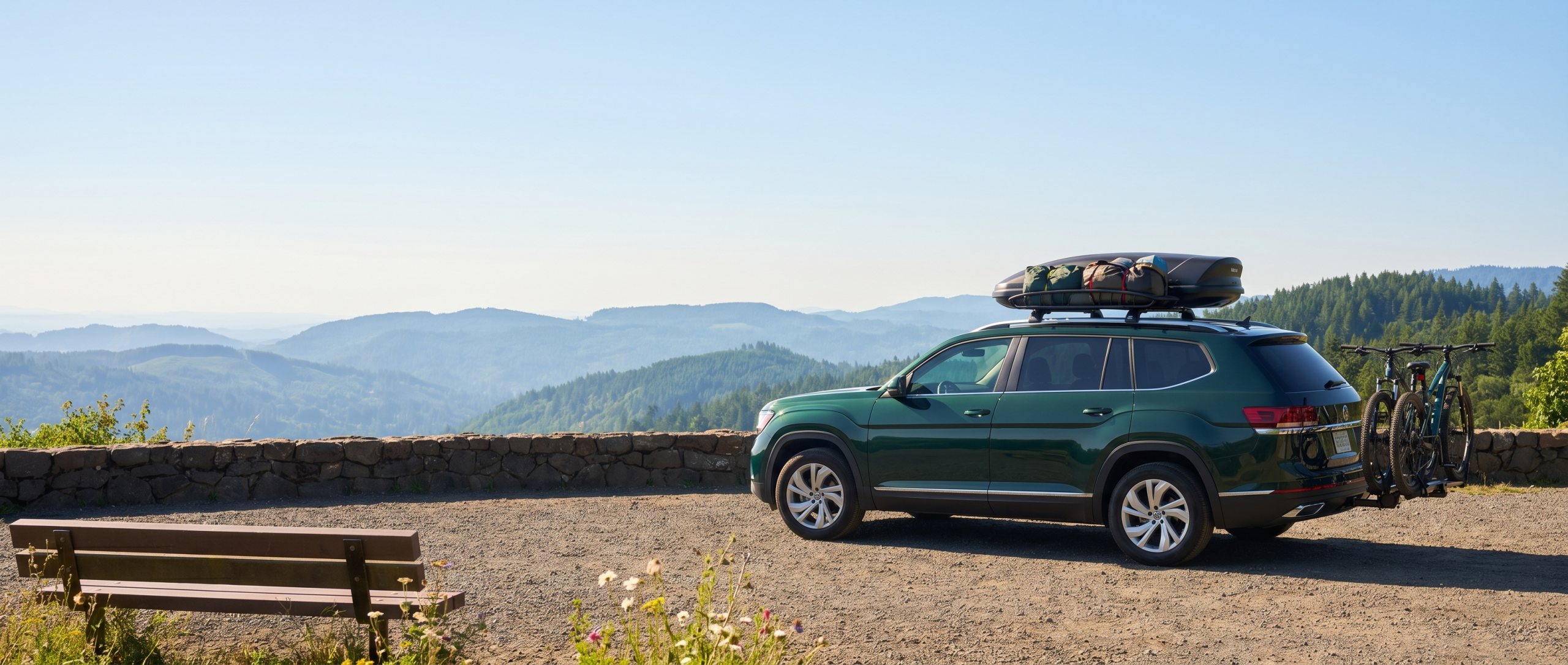
Summer road trips from Spartanburg, SC don’t just happen – they get built, piece by piece, in the days before you leave the driveway. Whether you’re pointing your Volkswagen toward the Blue Ridge Parkway, the South Carolina coast, or somewhere completely off the map, the gap between a smooth trip and a frustrating one often comes down to what you checked before you left. This guide gives VW drivers a practical, honest pre-departure checklist so your summer road trip starts the right way and stays that way.
Why Your VW Needs a Pre-Trip Inspection Before Leaving Spartanburg
A car that handles your daily commute on I-85 just fine can show its weak spots on a 600-mile summer drive through mountain grades and highway heat. Spartanburg, SC summers are no joke – temperatures regularly climb into the mid-to-upper 90s, and that heat places real demands on your vehicle’s fluids, tires, and cooling system in ways that shorter trips simply don’t.
Before anything gets packed, your Volkswagen needs a quick but thorough look-over. The goal isn’t to find problems for the sake of it. It’s to know your car’s current condition so nothing catches you off guard somewhere between Hendersonville and Asheville.
Here’s what to check before departure:
- Engine coolant level – Heat is your cooling system’s enemy; confirm the reservoir is at the correct fill line
- Engine oil level and condition – Dark, gritty oil means it’s time for a change before the trip, not during
- Brake fluid – Often overlooked, but critical on mountain descents
- Power steering fluid – Low fluid makes handling noticeably heavier at highway speeds
- Windshield washer fluid – Summer road grime and bug splatter accumulate fast; keep it topped up
- Battery connections – Heat accelerates battery wear; check for corrosion on the terminals
Tire Check – The Most Skipped Step in Every Road Trip Prep
Your tires are the only thing between your Volkswagen and the road surface, and most drivers give them maybe a 10-second glance before a long trip. That’s not enough.
Pressure: Tire pressure drops roughly 1 PSI for every 10°F decrease in temperature – and the reverse is also true. On a hot summer day, tires gain pressure as they heat up. Start with your tires at the manufacturer-recommended cold inflation pressure (found on the sticker inside the driver’s door jamb, not on the tire sidewall). Overinflated tires reduce traction and wear unevenly.
Tread depth: Insert a quarter into the tread groove with Washington’s head pointing down. If you can see the top of his head, you have less than 4/32″ of tread remaining – marginal territory for highway driving in summer rain. A penny gets you to the minimum legal limit, but aim for better than minimum before a long trip.
Spare tire condition: Many VW drivers haven’t checked their spare since they bought the car. Pull it out, check the pressure, and confirm the jack and lug wrench are in place.
| Tire Check Item | What to Look For | Action Needed If… |
|---|---|---|
| Cold tire pressure | Match door jamb spec | More than 3 PSI off |
| Tread depth | 4/32″ minimum | Below 4/32″ – replace |
| Sidewall condition | No bulges or cracking | Any bulge visible |
| Spare tire pressure | Same as primary tires | Low – inflate before departing |
| Lug nut torque | Snug, no visible looseness | Any wobble – have inspected |
Packing Smart for Your VW’s Cargo Space
The way you load your Volkswagen matters more than most people realize, both for safety and for fuel economy. Overloading a vehicle shifts its weight distribution, affects handling, and increases fuel consumption – and that effect compounds on mountain roads like those along the Blue Ridge Parkway near the North Carolina border.
The Volkswagen Atlas™ offers 96.8 cubic feet of maximum cargo space, making it one of the more capable haulers in the family SUV category. The Tiguan provides 65.7 cubic feet with the rear seat folded. Both are generous, but generous space doesn’t mean unlimited weight capacity. Check your VW’s payload rating in the owner’s manual and stay under it.
Smart packing rules for summer road trips:
- Place the heaviest items flat on the cargo floor, as low as possible
- Keep emergency supplies accessible – don’t bury the roadside kit under luggage
- Use cargo nets or organizers to prevent shifting at highway speeds
- Never stack items above the window line in SUVs – it creates blind spots
- For roof racks, confirm weight limits and use manufacturer-approved mounting hardware
For families heading to destinations like Carowinds or Myrtle Beach, where the gear list tends to grow – chairs, coolers, beach bags, strollers – the Atlas Cross Sport™ offers a more streamlined roofline with still-capable cargo capacity that doesn’t require Tetris-level packing skills.
Emergency Road Kit – What Every VW Driver Should Carry
Roadside emergencies don’t respect road trip schedules. Having the right supplies on board doesn’t mean you’re pessimistic about your trip – it means you’re prepared to handle the small problems before they become big ones.
A complete emergency kit for summer road trips includes:
-
A complete emergency kit for summer road trips includes:
- ✓ Jumper cables or a portable jump starter (battery packs)
- ✓ Reflective warning triangles or LED road flares
- ✓ Basic tool kit – flathead and Phillips screwdrivers, pliers, adjustable wrench
- ✓ Duct tape and zip ties
- ✓ First aid kit with updated supplies
- ✓ Flashlight with fresh batteries
- ✓ Phone charger and a backup battery pack
- ✓ Bottled water – at minimum one gallon per person
- ✓ Snacks that won’t melt (not chocolate)
- ✓ Paper road atlas or downloaded offline maps (phone signal disappears on mountain routes)
The stretch of I-26 between Spartanburg and Hendersonville is well-traveled, but once you turn off toward quieter parkway access points, cell coverage becomes inconsistent. Offline maps on your phone are a practical backup that many drivers don’t think about until they need them.
Volkswagen Technology Features Worth Using on Long Drives
Modern Volkswagen models come loaded with driver assistance and infotainment technology that genuinely improves long-distance driving comfort and safety. The catch is that many drivers don’t fully explore these features until they’re already on the road and trying to figure them out at 70 mph.
Before you leave Spartanburg, spend 15 minutes with these systems:
- Travel Assist (available on Atlas, Tiguan, and select Jetta GLI™ trims): Combines adaptive cruise control with lane-centering assistance. It’s not self-driving, but on long highway stretches it reduces driver fatigue meaningfully. The driver must keep hands on the wheel and remain attentive.
- Navigation with real-time traffic: VW’s built-in navigation can suggest alternate routes around traffic. On summer weekends, I-26 toward Asheville can back up significantly near Hendersonville – getting a heads-up before you’re in the middle of it saves time.
- Wireless App-Connect (CarPlay and Android Auto): Your phone’s maps, music, and messages stay accessible without taking your eyes off the road. Set this up before departure so you’re not pairing devices on the highway.
- Rear-view camera and Park Assist: At busy rest stops or crowded beach parking lots, these features earn their keep quickly.
Planning Your Route Out of Spartanburg
Spartanburg sits at a genuinely good geographic starting point for summer road trips. From here, you’re within reasonable driving distance of mountain getaways to the north, coastal destinations to the southeast, and major metro areas in multiple directions.
A few route considerations worth planning around:
- North toward the Blue Ridge: Take I-26 west to US-74 or US-64 for access to Chimney Rock State Park and Lake Lure. The roads are scenic but winding once you leave the interstate – vehicles like the Golf GTI™ handle the curves with a confidence that flat-road driving doesn’t reveal.
- Southeast toward the Grand Strand: I-26 east connects directly toward Columbia, then continues toward Myrtle Beach. It’s a straightforward highway run, ideal for the Atlas or Tiguan with a full family load.
- Northeast toward Charlotte and beyond: I-85 north puts you in Charlotte in under an hour, opening connections to I-77 north toward Virginia, the Shenandoah Valley, and beyond.
- Southwest toward Georgia: US-29 or I-85 south leads toward Greenville first, then into northeast Georgia – accessible mountain towns and state parks within a half-day drive.
| Destination from Spartanburg, SC | Approximate Drive Time | Best VW for the Route |
|---|---|---|
| Chimney Rock, NC | ~1.5 hours | Golf GTI, Taos |
| Myrtle Beach, SC | ~3 hours | Atlas, Tiguan |
| Asheville, NC | ~1.5 hours | Any VW model |
| Charlotte, NC | ~1 hour | Jetta, Jetta GLI |
| Blue Ridge Parkway (entry near Blowing Rock, NC) | ~2.5 hours | Atlas Cross Sport, Tiguan |
Common Questions About Summer Road Trips for VW Drivers in Spartanburg, SC
How often should I check my Volkswagen’s tire pressure during a summer road trip?
Check tire pressure every morning before driving, when the tires are still cold. Tires that have been driven warm up and read higher than their actual cold-inflation spec, which skews your reading. On a multi-day trip out of Spartanburg, SC, a quick morning check at the hotel or campsite takes under five minutes and keeps you ahead of any slow leaks.
Does Volkswagen recommend a specific oil for summer driving in hot climates like Spartanburg, SC?
Volkswagen vehicles use VW-specified synthetic oils meeting VW 502 00 or 504 00 standards, depending on the engine. These specifications are designed for year-round performance, including summer heat. What matters more than season is staying current on your oil change interval – consult your owner’s manual for the specific mileage or time recommendation for your model.
Is the Volkswagen Atlas a good road trip vehicle for a family of five or more?
The Atlas is one of the better three-row SUVs for road trips in this segment. With seating for seven and nearly 97 cubic feet of maximum cargo space, it handles the gear load that large families generate without feeling cramped. The available Digital Cockpit and rear entertainment options also help on longer drives with kids. For families leaving Spartanburg toward destinations like Myrtle Beach or the Smoky Mountains, it’s a comfortable and practical choice.
What should I do if my Volkswagen’s check engine light comes on before my road trip?
Don’t ignore it and don’t assume it’s minor. A check engine light can indicate anything from a loose gas cap to an engine misfire, and road trips amplify mechanical issues. Have the diagnostic codes read before you leave – many VW dealerships can do this quickly. A trip that starts with an unresolved warning light has a higher chance of ending early at a roadside stop.
How can I improve fuel economy on my Volkswagen during a long road trip from Spartanburg?
Maintain steady highway speeds between 60-65 mph when traffic allows – fuel economy drops noticeably above 70 mph. Keep tires at the correct cold-inflation pressure, reduce roof cargo weight where possible, and use the air conditioning efficiently rather than running it at full blast continuously. Vehicles like the Jetta GLI return strong highway fuel economy figures, which makes a measurable difference on a 400-500 mile driving day.
Where can I get my Volkswagen serviced near Spartanburg before a summer road trip?
VW drivers in the Spartanburg, SC area have access to full Volkswagen-certified service before any long trip. It’s worth booking in advance during summer months, as service schedules fill quickly heading into peak travel season. You can take a look at our schedule service page to book a pre-trip inspection at a time that works before your departure date.
Hit the Road Ready – Your Spartanburg Summer Starts Here
A great summer road trip from Spartanburg, SC isn’t complicated – it’s just prepared. Tires checked, fluids topped, technology set up, emergency kit stowed, and a route planned that takes advantage of what this part of the Carolinas offers. The team at Steve White Volkswagen is here to help you get there with a vehicle that’s ready for whatever miles you have planned. Browse our new inventory to see current Atlas, Tiguan, Golf GTI, and ID. Buzz models available for your next adventure.
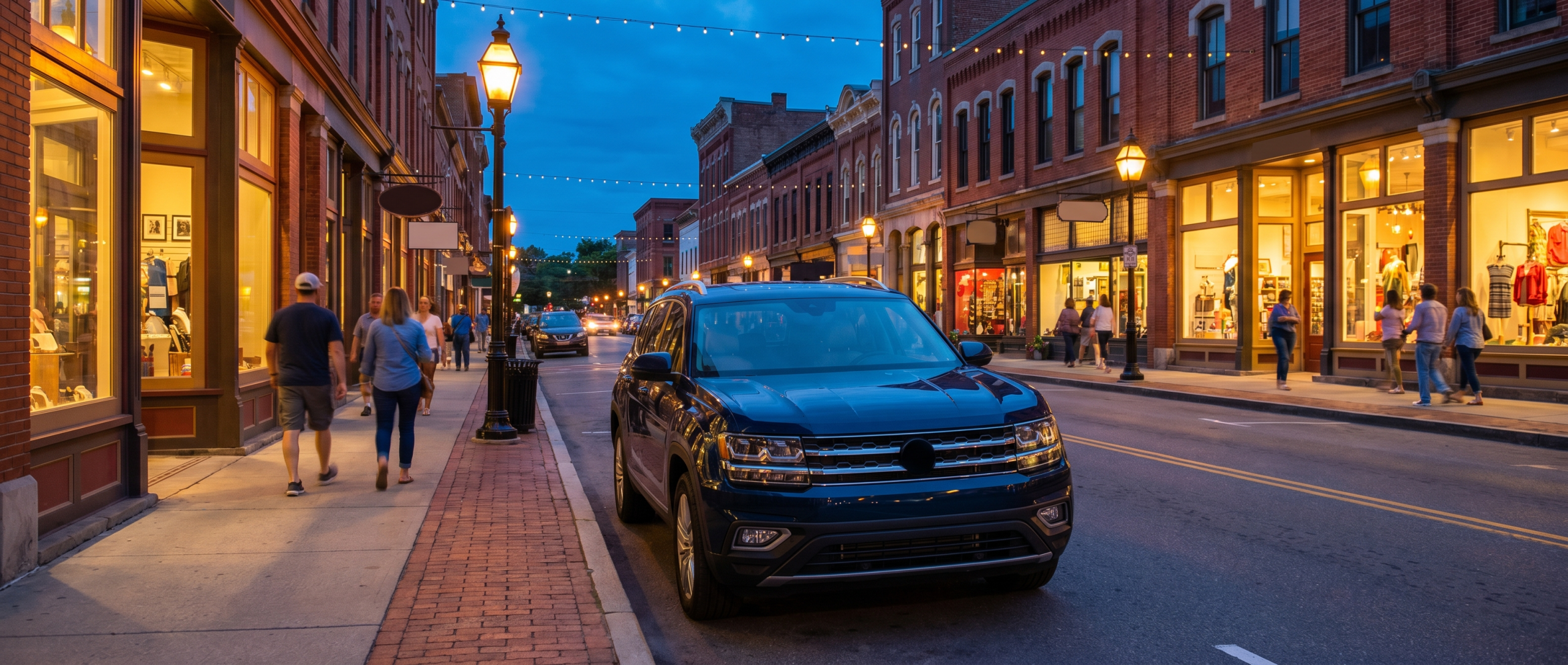
Downtown Spartanburg, SC transforms into a vibrant music scene on concert nights, but navigating Morgan Square’s tight parking and loading gear requires the right vehicle. Whether you’re heading to Ground Zero for an intimate show or catching outdoor performances at Barnet Park, your Volkswagen can make the difference between a stressful arrival and a smooth start to your evening. This guide breaks down which VW models excel at conquering downtown’s unique challenges while keeping you comfortable and your equipment secure.
Why Your Vehicle Choice Matters for Downtown Events
Concert nights in downtown Spartanburg present specific challenges that the right vehicle turns into advantages. The historic downtown grid between Church Street and Magnolia creates narrow parking spaces that larger SUVs struggle with, while venues like the Spartanburg Memorial Auditorium often mean walking several blocks with equipment or merchandise.
Your vehicle becomes part of the concert experience itself. Consider these downtown realities:
- Limited street parking fills up fast near popular venues
- Parking garages have height restrictions under 6’6″
- Loading zones are temporary and strictly enforced
- Weather can change quickly, especially during outdoor summer concerts at Barnet Park
- Post-concert traffic on Main Street requires patient maneuvering
The neighborhoods surrounding downtown – from the West Main District to the Daniel Morgan Avenue area – offer alternative parking, but that means longer walks. Having a vehicle that balances size, efficiency, and cargo flexibility becomes essential.
Compact Champions: Golf GTI® and Jetta® for Easy Downtown Navigation
The Golf GTI and Jetta shine when navigating downtown Spartanburg’s tightest spots. These compact performers slip into parallel parking spaces along Main Street that would challenge larger vehicles, while still offering surprising cargo capacity for band equipment or merchandise hauls.
| Feature | Golf GTI | Jetta | Downtown Advantage |
|---|---|---|---|
| Length | 168.0″ | 185.1″ | Fits in compact street spots |
| Turning Radius | 35.8 ft | 35.4 ft | Easy U-turns on narrow streets |
| Cargo Space | 22.8 cu ft | 14.1 cu ft | Holds instruments/merch |
| MPG City | 24 mpg | 29 mpg | Minimal fuel stops |
| Height | 56.8″ | 57.4″ | Clears all parking garages |
The Golf GTI’s hatchback design proves invaluable when loading drum kits or amplifiers through the wide rear opening. Its turbocharged engine provides quick acceleration to merge onto I-26 after late-night shows, while the sport-tuned suspension handles railroad crossings near the Magnolia Street Depot with confidence.
For those prioritizing fuel efficiency during frequent downtown trips, the Jetta delivers exceptional economy. Its trunk, though traditional, accommodates guitar cases and merchandise boxes with room to spare. The available BeatsAudio™ system lets you preview the night’s setlist during your search for parking.
Both models feature:
- Backup cameras essential for tight parallel parking
- LED headlights for navigating dimly lit side streets
- Remote start to cool down during hot Carolina summer evenings
- Apple CarPlay® to navigate changing parking restrictions
The West Main District’s emerging music scene means more venue options beyond downtown proper. These nimble Volkswagens transition seamlessly from navigating Spring Street’s historic district to cruising out Highway 29 toward the Westgate Mall area.
Room for the Crew: Tiguan® and Atlas® Handle Group Outings
When your concert plans involve the whole friend group or family, the Tiguan and Atlas transform group logistics from complicated to comfortable. These SUVs handle everything from pre-concert dinners on East Main to late-night food runs, all while keeping everyone together.
The Tiguan strikes the perfect balance for downtown adventures. At just over 15 feet long, it navigates parking decks like the Richardson Street Garage without the anxiety larger SUVs create. Yet inside, five adults sit comfortably with room for coolers, chairs, and blankets for outdoor shows at Barnet Park.
- Third-row option accommodates seven for larger groups
- Panoramic sunroof perfect for stargazing during outdoor performances
- 37.6 cubic feet behind second row holds substantial gear
- Available 4Motion® all-wheel drive handles wet parking lots confidently
- Height of 66.6″ clears standard garage entrances
Meanwhile, the Atlas serves as your group’s command center. With standard three-row seating for seven, nobody gets left behind. The captain’s chairs in the second row make loading and unloading passengers quick – crucial when dropping off at venue entrances before parking.
The Spartanburg Regional History Museum hosts regular music events, and arriving in either SUV means comfortable transport for grandparents alongside grandchildren. The elevated seating position helps spot open parking from blocks away, while the available Digital Cockpit displays real-time navigation to guide you through downtown’s one-way streets.
The Wild Card: ID. Buzz® Makes a Statement
Arriving at Ground Zero or the FR8yard in an ID. Buzz guarantees conversations before the music even starts. This electric reimagining of VW’s iconic bus brings both practicality and personality to downtown concert adventures.
The ID. Buzz redefines what a concert vehicle can be:
- Zero Emissions: Silent operation respects residential areas near venues
- Spacious Interior: Configurable seating adapts from hauling equipment to hosting pre-show gatherings
- Short Wheelbase: Despite its size, maneuvers like a much smaller vehicle
- Instant Torque: Electric acceleration conquers Spartanburg’s hills effortlessly
- Unique Style: Becomes a landmark for friends finding your group
Charging infrastructure continues expanding throughout Spartanburg County. The ChargePoint stations at Westgate Mall and several downtown locations mean you can top up during dinner at RJ Rockers Brewing Company before the show. The 234-mile EPA estimated range easily handles round trips from Boiling Springs or Duncan without charging anxiety.
The ID. Buzz’s flat floor and wide-opening doors simplify loading everything from folding chairs to coolers full of permitted refreshments. The available two-tone paint schemes echo Spartanburg’s artistic spirit, while the panoramic glass roof creates an open-air feeling even with the climate control maintaining comfort.
Performance Meets Practicality: Jetta GLI® and Atlas Cross Sport®
Sometimes you want driving excitement to match the concert energy. The Jetta GLI and Atlas Cross Sport deliver performance without sacrificing downtown functionality.
The Jetta GLI transforms mundane parking garage spirals into entertaining exercises. Its 228-horsepower turbocharged engine and sport-tuned suspension make quick work of navigating between venues, while still achieving impressive fuel economy for those living in Roebuck or Wellford who regularly commute downtown.
- Limited-slip differential improves wet-weather traction
- Sport exhaust note announces your arrival with style
- Larger brakes handle repeated downtown stop-and-go confidently
- Premium audio system rivals venue sound quality
- Manual transmission option for driving enthusiasts
The Atlas Cross Sport combines SUV versatility with coupe-inspired styling. Its sloping roofline maintains rear headroom while creating a distinctive profile parked outside The Showroom. The 276-horsepower V6 engine provides confident merging onto I-85 after late shows, crucial when tired after standing through a three-hour concert.
| Model | 0-60 Time | Cargo Space | Best For |
|---|---|---|---|
| Jetta GLI | 6.1 seconds | 14.1 cu ft | Solo enthusiasts |
| Atlas Cross Sport | 7.0 seconds | 40.3 cu ft | Style-conscious groups |
Both models feature ambient lighting that sets the mood for evening drives, while their sport seats provide support during extended downtown adventures. Take a look at our new inventory to experience these performance options firsthand.
Navigating Spartanburg’s Concert Scene Like a Pro
Success on concert nights requires understanding downtown Spartanburg’s rhythm. Each venue presents unique challenges and opportunities your Volkswagen helps you master.
Spartanburg Memorial Auditorium Tips:
- Arrive 90 minutes early for premium acts
- Use the Daniel Morgan Avenue lots for easier post-show exits
- The Taos and Tiguan’s height perfectly suits nearby garage clearances
- Keep cash ready for event parking fees
Ground Zero Strategies:
- Street parking along Dunbar Street often has openings
- The Golf GTI’s size excels at fitting into overlooked spaces
- Load equipment through the alley entrance when permitted
- Utilize the remote start during winter shows
Barnet Park Outdoor Events:
- The Atlas’s cargo area holds chairs, blankets, and coolers comfortably
- All-wheel drive models handle grass parking areas after rain
- Arrive early to claim spots near the Butterfly Garden entrance
- Pack supplies in the ID. Buzz’s numerous storage compartments
The key is matching your vehicle choice to your concert style. Frequent solo attendees benefit from the Golf GTI’s parking agility, while those organizing group outings need the Atlas’s passenger capacity. Browse our pre-owned inventory for additional options that fit your downtown lifestyle.
Making Your Volkswagen Concert-Ready
Preparing your VW for downtown adventures ensures stress-free evenings. These modifications and preparations enhance your concert experience:
- All-weather floor mats protect against spilled drinks and muddy shoes
- Cargo organizers keep equipment and supplies secure
- Phone mounts ensure hands-free navigation through downtown
- Portable jump starters provide peace of mind for older batteries
- Check tire pressure monthly for optimal fuel economy on frequent trips
- Replace cabin air filters to maintain fresh interior during long waits
- Test all lights before evening events
- Verify spare tire condition for late-night emergencies
Consider these comfort upgrades:
- Window tinting reduces glare from venue lighting
- Upgraded speakers complement your pre-concert playlist
- Seat covers protect against wear from frequent passenger changes
- Emergency kits include flashlights and basic tools
Common Questions About Downtown Spartanburg Concert Vehicles
Which Volkswagen handles downtown Spartanburg’s narrow streets best?
The Golf GTI excels on narrow downtown streets with its 35.8-foot turning radius and compact 168-inch length. Its small footprint allows easy navigation through the historic district’s tight corners while the turbocharged engine provides quick acceleration when traffic gaps appear. The hatchback design also permits loading band equipment through the wide rear opening.
How early should I arrive for parking at Spartanburg Memorial Auditorium events?
Arrive 60-90 minutes before show time to secure convenient parking near Spartanburg Memorial Auditorium. The surrounding lots and garages fill quickly for popular acts, with street parking becoming scarce within a half-mile radius. The Volkswagen Tiguan’s elevated seating position helps spot available spaces from a distance during your search.
Does the ID. Buzz work for regular downtown Spartanburg trips?
The ID. Buzz performs excellently for regular downtown Spartanburg trips with its 234-mile range and growing charging infrastructure. Multiple ChargePoint stations downtown and at Westgate Mall support convenient charging during meals or shopping. Its surprisingly tight turning radius and instant electric torque make navigating Congress Street and Church Street effortless.
What’s the best VW for transporting music equipment in Spartanburg County?
The Atlas provides optimal music equipment transport with 96.8 cubic feet of cargo space when rear seats fold flat. Its low load height simplifies lifting heavy amplifiers and drum kits, while the power liftgate operates hands-free when your arms are full. The available 4Motion all-wheel drive system maintains traction in venue loading zones regardless of weather conditions.
Can the Jetta GLI handle late-night drives from downtown to Duncan?
The Jetta GLI handles late-night drives to Duncan exceptionally well with its responsive turbocharged engine and precise steering. The 29 mpg highway rating means fewer stops, while the sport suspension maintains composure on Highway 290’s curves. Premium LED headlights illuminate dark stretches between Spartanburg and Duncan for enhanced safety.
Where should Roebuck residents park for Barnet Park concerts?
Roebuck residents attending Barnet Park concerts should target the lots near North Pine Street and East Park Drive, arriving 45 minutes early for prime spots. The Volkswagen Taos’s compact size fits easily in tighter spaces while providing enough cargo room for chairs and picnic supplies. Alternative parking exists along Cleveland Park Drive during overflow situations.
Your Next Downtown Adventure Awaits
Downtown Spartanburg’s music scene continues growing, with new venues joining established favorites to create diverse entertainment options. Your choice of Volkswagen becomes your partner in these adventures, transforming potential parking stress into confident navigation. From the Golf GTI’s nimble handling on Main Street to the Atlas’s group-carrying capability, each model offers unique advantages for concert nights.
The right vehicle does more than transport you – it enhances the entire experience. Picture arriving relaxed instead of frustrated, finding parking with confidence, and having space for whatever the night brings. Your local expertise combined with Volkswagen’s thoughtful engineering creates the perfect combination for memorable evenings downtown. The team at Steve White Volkswagen Spartanburg understands these local challenges and can match you with the ideal concert companion from our current lineup.
Volkswagen Atlas Cross Sport vs. Nissan Murano: Which SUV Fits Spartanburg, SC Drivers Better?
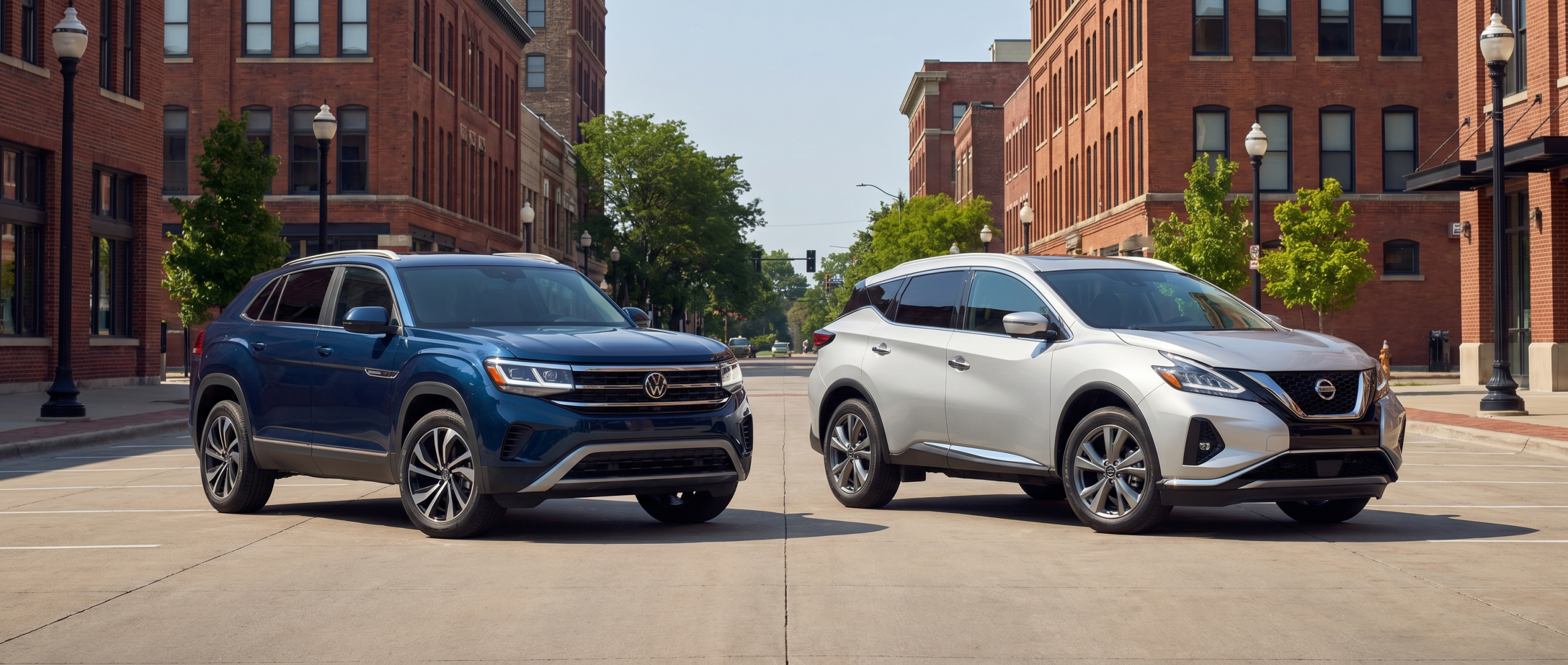
Spartanburg drivers shopping for a five-passenger midsize SUV often narrow their choices to the Volkswagen® Atlas Cross Sport™ and Nissan Murano – but these vehicles serve different priorities despite their similar size. The Atlas Cross Sport delivers 5,000-pound towing capacity and 77.8 cubic feet of cargo space, while the Murano maxes out at 1,500 pounds towing with 67 cubic feet of storage. For families navigating Spartanburg, SC’s mix of urban streets and mountain getaways, this comparison reveals which SUV truly matches your lifestyle. We’ll examine real-world performance, technology, safety ratings, and ownership experiences to help you make the smartest choice for South Carolina driving.
Understanding Your Midsize SUV Priorities
The Atlas Cross Sport and Murano represent two distinct philosophies in SUV design – one built for capability, the other for comfort. Before diving into specifics, it helps to identify which approach aligns with your Spartanburg lifestyle.
Consider these buyer scenarios:
Choose the Atlas Cross Sport if you:
- Tow boats to Lake Bowen or trailers to the Blue Ridge Mountains
- Need maximum cargo space for sports equipment or home improvement projects
- Want confident handling on mountain roads toward Asheville
- Prefer German engineering with a longer warranty
- Carry bikes, kayaks, or camping gear regularly
Consider the Murano if you:
- Prioritize a quiet, luxury-like cabin for daily commuting
- Want distinctive styling that stands out
- Focus on comfort over utility
- Rarely tow or haul heavy items
- Value a cushioned ride over sporty handling
Performance Comparison: Power Meets South Carolina Roads
Your engine choice dramatically impacts daily driving satisfaction, especially when merging onto I-85 or climbing toward Caesar’s Head State Park. Here’s how each SUV delivers power:
| Performance Specs | Atlas Cross Sport | Nissan Murano |
|---|---|---|
| Standard Engine | 2.0L Turbo 4-cylinder | 3.5L V6 |
| Horsepower | 235 hp | 260 hp |
| Torque | 258 lb-ft @ 1,600 rpm | 240 lb-ft @ 4,400 rpm |
| Available Engine | 3.6L V6 (276 hp) | None |
| Transmission | 8-speed automatic | CVT |
| Towing Capacity | 5,000 lbs (V6) | 1,500 lbs |
The numbers tell only part of the story. The Atlas Cross Sport’s turbocharged engine delivers peak torque at just 1,600 rpm – that’s immediate pulling power when you need it. The available V6 bumps towing capacity to 5,000 pounds, enough for most boats or travel trailers popular at Croft State Park.
Meanwhile, the Murano’s naturally aspirated V6 provides smooth, predictable power delivery. Its CVT transmission eliminates gear changes for seamless acceleration, though some drivers find it less engaging than the Atlas Cross Sport’s traditional 8-speed automatic.
Real-world fuel economy varies by driving style:
- Atlas Cross Sport 2.0T: 21 city / 24 highway (4WD)
- Atlas Cross Sport V6: 17 city / 23 highway (4WD)
- Murano: 20 city / 28 highway (AWD)
Interior Space and Comfort: Living with Your Choice
Both SUVs seat five adults comfortably, but their approaches to space utilization differ significantly. The Atlas Cross Sport emphasizes versatility while the Murano focuses on passenger pampering.
Atlas Cross Sport Interior Advantages:
- 40.3 inches of rear legroom (vs. 38.7 in Murano)
- 60/40 split-folding rear seats with recline function
- 18.6 cubic feet behind rear seats
- 77.8 cubic feet with seats folded
- Available panoramic sunroof spans both rows
Murano Interior Advantages:
- NASA-inspired Zero Gravity front seats reduce fatigue
- Premium materials throughout cabin
- Quieter interior at highway speeds
- Standard leather-appointed seating
- More sculpted, cocoon-like environment
The Atlas Cross Sport’s boxier shape translates to superior cargo flexibility. Its wide, flat load floor easily accommodates furniture from Westgate Mall or building supplies from Lowe’s. The Murano’s sloping roofline creates a more intimate cabin but reduces utility for tall items.
Technology and Safety: Modern Features for Spartanburg Families
Today’s families expect comprehensive safety features and intuitive technology. Both SUVs deliver, though with different approaches to user interface and standard equipment.
| Technology Features | Atlas Cross Sport | Nissan Murano |
|---|---|---|
| Standard Screen Size | 6.5″ touchscreen | 8″ touchscreen |
| Available Screen | 8″ touchscreen | 8″ touchscreen |
| Apple CarPlay | Standard wireless | Standard wired |
| Android Auto | Standard wireless | Standard wired |
| Digital Cockpit | Available | Not available |
| Navigation | Available | Standard on SL/Platinum |
The Atlas Cross Sport’s interface feels more modern with its available Digital Cockpit – a 10.25-inch customizable display replacing traditional gauges. Wireless smartphone integration means no fumbling with cables during your morning commute to BMW Manufacturing or USC Upstate.
Safety technology comparison reveals close competition:
Standard Safety Features (Both Models):
- Forward collision warning with automatic emergency braking
- Blind spot monitoring
- Rear cross traffic alert
- Automatic high beams
Atlas Cross Sport Advantages:
- Standard Front Assist (monitors vehicles and pedestrians)
- Available Travel Assist (semi-autonomous highway driving)
- Available Park Assist (parallel and perpendicular parking)
- Side Assist with Rear Traffic Alert
Murano Advantages:
- Standard Intelligent Cruise Control (full-speed range)
- Standard Navigation (SL trim and above)
- Rear Door Alert (reminds to check back seat)
Warranty and Ownership: Long-Term Confidence
Volkswagen transformed industry expectations with their warranty coverage, significantly outpacing Nissan’s protection:
Warranty Comparison:
- Atlas Cross Sport: 4 years/50,000 miles bumper-to-bumper
- Atlas Cross Sport: 6 years/72,000 miles transferable powertrain
- Murano: 3 years/36,000 miles bumper-to-bumper
- Murano: 5 years/60,000 miles powertrain
This extra coverage proves valuable for Spartanburg residents who keep vehicles longer or drive extensively to Greenville, Columbia, or Charlotte for work. The transferable warranty also enhances resale value – important consideration for growing families who might upgrade sooner than planned.
Browse our new inventory to see current Atlas Cross Sport availability and color options.
Local Driving Impressions: From Downtown to the Mountains
How these SUVs handle Spartanburg’s diverse driving conditions matters more than spec sheets suggest. We’ve evaluated both on familiar routes to provide practical insights.
Urban Maneuverability:
Downtown Spartanburg’s narrow streets and tight parking spaces favor the Murano’s smaller turning radius (38.7 feet vs. 39.7 feet). However, the Atlas Cross Sport’s available surround-view camera system compensates with better visibility during parallel parking on Morgan Square.
Highway Comfort:
Both SUVs cruise confidently on I-26 toward Columbia or I-85 toward Atlanta. The Murano’s acoustic glass and active noise cancellation create a quieter cabin – appreciated during long trips. The Atlas Cross Sport counters with superior seat support and more rear-seat space for fidgety children.
Mountain Roads:
Weekend trips to the Blue Ridge Parkway reveal bigger differences. The Atlas Cross Sport’s turbocharged engine maintains power at elevation, while its firmer suspension provides confidence on winding roads near Table Rock State Park. The Murano prioritizes comfort over handling precision, floating more over undulating pavement.
Weather Capability:
- Both offer intelligent all-wheel drive systems
- Atlas Cross Sport: 8.0 inches ground clearance
- Murano: 6.9 inches ground clearance
- The extra clearance helps during rare Upstate snow events
Real Ownership Costs in Spartanburg
Beyond purchase price, consider these ownership factors specific to our area:
Fuel Costs:
With Spartanburg gas prices typically below the national average, the Murano’s highway efficiency advantage saves roughly $200 annually for average drivers. However, this assumes you’re not towing – the Atlas Cross Sport’s capability might save trailer rental fees.
Insurance Considerations:
- Both vehicles earn good safety ratings affecting premiums
- The Atlas Cross Sport’s longer warranty reduces repair concerns
- Local insurance rates vary by ZIP code and driving history
Maintenance Requirements:
- Atlas Cross Sport: 10,000-mile oil change intervals
- Murano: 5,000-7,500-mile intervals (varies by driving)
- Both recommend regular service readily available locally
Making Your Decision: Which SUV Wins?
The “better” choice depends entirely on your Spartanburg lifestyle priorities. Here’s our final assessment:
Choose the Volkswagen Atlas Cross Sport if:
- Towing capability matters for boats or trailers
- Maximum cargo space serves your hobbies
- Longer warranty provides peace of mind
- You prefer traditional automatic transmission feel
- German engineering appeals to you
Choose the Nissan Murano if:
- Ride comfort tops your priority list
- Fuel efficiency on highways matters most
- Distinctive styling draws you in
- You rarely need towing capability
- Luxury-like features within mainstream pricing attract you
The Atlas Cross Sport emerges as the more versatile choice for active Spartanburg families who value capability alongside comfort. Its superior towing capacity, larger cargo area, and longer warranty address practical concerns while still delivering refined road manners.
Ready to experience the difference? Take a look at our new inventory to explore available Atlas Cross Sport models, or consider our ID.4 if electric driving interests you.
Common Questions About Volkswagen Atlas Cross Sport vs. Nissan Murano in Spartanburg, SC
Which SUV handles better on mountain roads between Spartanburg and Asheville?
The Volkswagen Atlas Cross Sport provides more confident handling on mountain roads with its firmer suspension tuning and available 4Motion all-wheel drive. Its turbocharged engine maintains stronger power at elevation compared to the Murano’s naturally aspirated V6, making highway passes and steep grades less stressful.
How do Atlas Cross Sport and Murano warranties compare for Spartanburg, SC buyers?
Volkswagen offers superior coverage with 4 years/50,000 miles bumper-to-bumper and 6 years/72,000 miles powertrain warranty on the Atlas Cross Sport. Nissan provides 3 years/36,000 miles comprehensive and 5 years/60,000 miles powertrain coverage for the Murano – significantly less protection for South Carolina drivers.
Which SUV offers better cargo space for trips to Lake Bowen or Paris Mountain?
The Atlas Cross Sport dominates cargo capacity with 77.8 cubic feet available versus the Murano’s 67 cubic feet maximum. Behind the rear seats, you’ll find 18.6 cubic feet in the Volkswagen compared to 16.0 in the Nissan – enough extra space for coolers, camping gear, or sports equipment.
What’s the real-world fuel economy difference driving around Spartanburg County?
The Murano achieves better highway fuel economy at 28 mpg versus the Atlas Cross Sport’s 24 mpg (2.0T engine), saving about $200 annually in gas. However, the Atlas Cross Sport’s superior towing capacity and cargo space might eliminate rental needs, offsetting fuel costs for active families.
Do both SUVs work well for USC Upstate commuters?
Both SUVs handle daily commuting comfortably, but serve different priorities. The Murano’s quieter cabin and Zero Gravity seats reduce fatigue during stop-and-go traffic on I-85. The Atlas Cross Sport offers more rear-seat space for carpooling and better visibility from its commanding seating position.
Where can I test drive the Volkswagen Atlas Cross Sport near downtown Spartanburg?
The team at Steve White Volkswagen Spartanburg can arrange Atlas Cross Sport test drives that include city streets, Highway 29, and even a loop toward Cowpens National Battlefield to experience various driving conditions. Their location provides easy access to diverse road types for thorough evaluation.
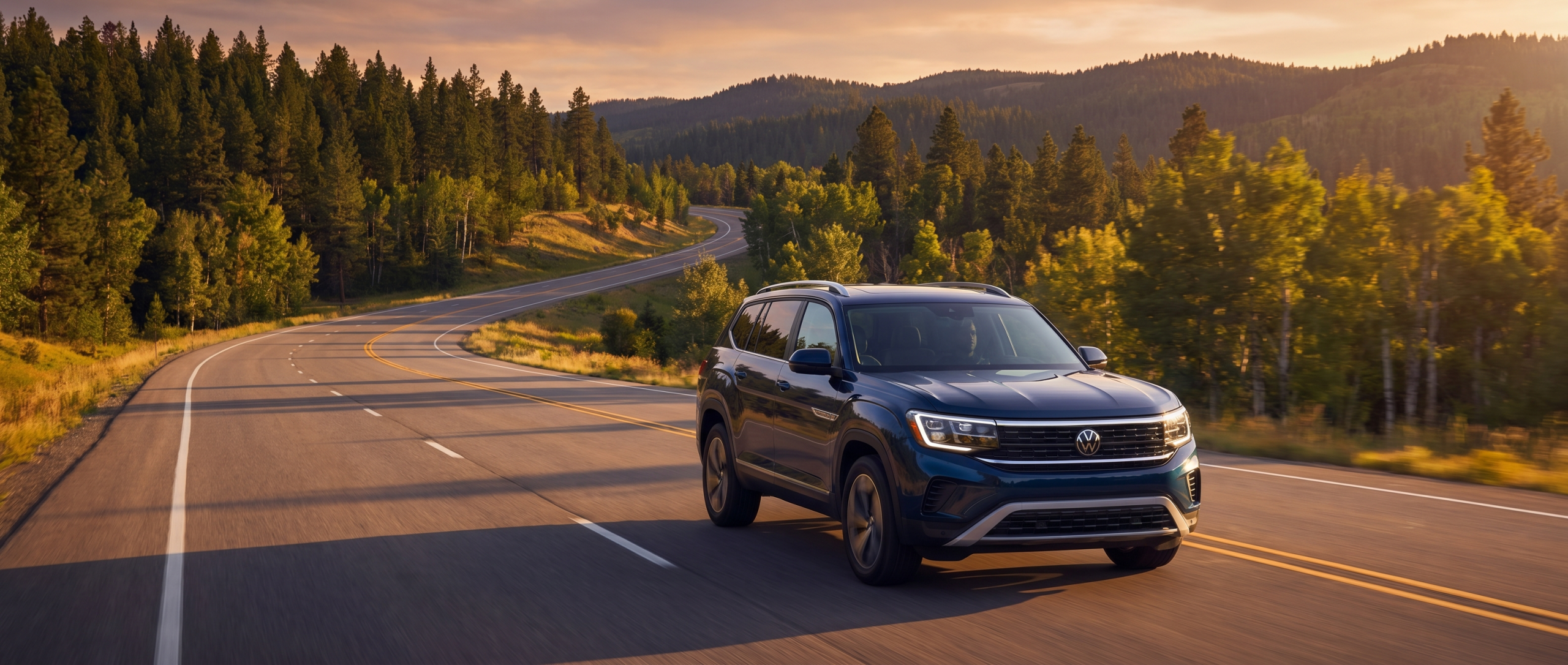
The 15-mile stretch between Woodruff and Spartanburg, SC demands a vehicle that handles everything from morning rush hour on Highway 221 to weekend adventures at Croft State Park. For the thousands making this daily commute, choosing the right SUV means balancing fuel efficiency for those regular trips with enough space and capability for South Carolina living. Whether you’re navigating the busy intersection at Highway 56 or cruising past BMW Manufacturing, your SUV needs to deliver comfort, reliability, and the versatility that matches your lifestyle.
Understanding Your Woodruff-Spartanburg Commute Needs
Your daily drive between these two Upstate communities involves more than just highway miles – it’s a mix of suburban streets, rural roads, and the occasional detour through downtown Spartanburg. The morning fog that settles over the Tyger River can reduce visibility, while afternoon thunderstorms in summer turn roads slick in seconds. These conditions, combined with the steady growth of traffic along this corridor, make choosing the right SUV more important than ever.
Consider how your driving patterns change throughout the week. Monday through Friday might mean solo commutes with just a laptop bag and coffee tumbler. But weekends could involve hauling sports equipment to Milliken Park, picking up supplies at Westgate Mall, or taking the family to explore Paris Mountain State Park just 30 minutes away.
The elevation changes between these communities might seem subtle, but they impact fuel consumption and engine performance over time. Understanding these factors helps narrow down which Volkswagen® SUV best suits your specific situation.
Volkswagen Tiguan: The Efficient Daily Driver
The Tiguan® stands out as the fuel efficiency champion for regular commuters, achieving up to 30 MPG highway according to current EPA estimates. This compact SUV fits perfectly in the crowded parking deck at Spartanburg Regional Healthcare System or the tight spaces at local shopping centers. Its turbocharged engine provides surprising power when merging onto I-26, while the available 4MOTION® all-wheel drive system handles those surprise afternoon downpours with confidence.
What makes the Tiguan particularly suited for this commute? Start with the driver assistance features that reduce stress during stop-and-go traffic. The available Traffic Jam Assist helps maintain your lane and distance from other vehicles – especially useful during the morning backup near Duncan Park. Meanwhile, the panoramic sunroof (available on SE trim and above) transforms even mundane drives into something more enjoyable.
| Tiguan Trim Level | Key Commuter Features | Best For |
|---|---|---|
| S | Apple CarPlay, Forward Collision Warning | Budget-conscious commuters |
| SE | Sunroof, Heated Seats, Remote Start | Year-round comfort seekers |
| SEL R-Line | Digital Cockpit Pro, Leather Seats | Tech-savvy professionals |
The cargo flexibility deserves special mention. With 37.6 cubic feet behind the rear seats, you have room for golf clubs, grocery runs to Ingles Markets, and still have space for your work materials. Fold those seats down, and you’re looking at 73.4 cubic feet – enough for that antique dresser you spotted in downtown Woodruff.
Volkswagen Atlas: Room for the Whole Crew
When your commute includes school drop-offs or you regularly carpool with coworkers, the Atlas® three-row SUV becomes the logical choice. This is Volkswagen’s largest SUV, offering genuine seating for seven adults – not just seven seats where the third row feels like punishment. Families shuttling between Woodruff Middle School and activities in Spartanburg appreciate the easy third-row access and multiple USB ports that keep devices charged.
The Atlas excels at what matters most for family haulers:
Strengths- Massive cargo space even with all seats occupied
- Smooth V6 engine option for effortless highway cruising
- Excellent visibility for navigating school pickup lines
- Standard safety features across all trims
- Lower fuel economy than compact options (combined 22 MPG)
- Larger size requires more parking space planning
- Higher starting price reflects additional capability
South Carolina’s weather extremes test any vehicle, and the Atlas rises to the challenge. The available 4MOTION all-wheel drive system automatically adjusts power distribution when roads get slick. During those August heat waves that push temperatures above 95°F, the three-zone climate control ensures everyone stays comfortable – crucial when you’re stuck in afternoon traffic near Westside Park.
Browse our new inventory to see the Atlas configurations currently available, including popular color combinations that match Spartanburg’s style.
Volkswagen Atlas Cross Sport: Style Meets Practicality
Think of the Atlas Cross Sport® as the Atlas’s sportier sibling – it shares the same confident stance and roomy interior but trades the third row for a sleeker roofline and enhanced cargo flexibility. This five-seat SUV appeals to empty nesters in Woodruff who want SUV capability without excess size, or young professionals who prioritize style alongside substance.
What Sets the Atlas Cross Sport Apart:- Coupe-like profile that stands out at WestGate Mall
- 40.3 cubic feet of cargo space with rear seats up
- Same powerful engine options as the Atlas
- Available R-Line® styling for extra visual impact
- Hands-free power liftgate on higher trims
The driving experience leans slightly sportier than the standard Atlas. The lower roofline and different weight distribution create a more connected feel on winding roads like Highway 101 toward Greer. Yet it maintains the comfortable ride quality that makes daily commutes pleasant rather than punishing.
Volkswagen Taos: The Newest Compact Contender
Volkswagen’s newest SUV entry fills the gap between the subcompact market and the Tiguan, making it perfect for single professionals or couples who want SUV versatility without unnecessary bulk. The Taos® delivers an impressive 36.0 cubic feet of cargo space – more than many competitors – while maintaining excellent maneuverability for urban environments.
Current EPA ratings show up to 31 MPG highway, making the Taos exceptionally efficient for the daily Woodruff-Spartanburg run. The turbocharged engine provides adequate power for highway merging, though it’s tuned more for efficiency than excitement. Where the Taos truly shines is in its modern tech integration and surprising interior roominess despite the compact footprint.
Matching Your Lifestyle to the Right VW SUV
Choosing between these excellent options requires honest assessment of your priorities. Let’s match common scenarios to the ideal Volkswagen SUV:
| Your Situation | Recommended Model | Why It Works |
|---|---|---|
| Solo commuter, maximum MPG priority | Taos or Tiguan | Best fuel economy, easy parking |
| Family with 2+ kids | Atlas | Third row necessity, maximum space |
| Empty nesters wanting style | Atlas Cross Sport | SUV capability, coupe aesthetics |
| First-time buyer | Taos | Lower entry price, great features |
| Outdoor enthusiast | Tiguan with 4MOTION | Compact size, all-weather capable |
Consider seasonal factors too. If you frequently drive to Campbell’s Covered Bridge for photography or head to Cowpens National Battlefield for weekend hikes, the all-wheel drive availability across the lineup provides extra confidence. The ground clearance on all models handles the occasional gravel road or grass parking area at local events.
Technology Features for Modern Commuters
Today’s Volkswagen SUVs integrate technology that transforms daily drives. The available Digital Cockpit Pro replaces traditional gauges with a customizable display showing everything from navigation to efficiency metrics. This proves especially useful when learning new routes around Spartanburg’s expanding business districts.
Essential Tech for Daily Drivers:- Wireless Apple CarPlay® and Android Auto™
- SiriusXM® satellite radio for uninterrupted entertainment
- USB-C charging ports for faster device charging
- Available wireless phone charging
- Volkswagen Car-Net® connected services
The navigation systems in higher trims learn your patterns, suggesting faster routes when construction affects your normal path. During USC Upstate basketball season, real-time traffic updates help you avoid game-day congestion around campus.
Making Your Decision: Next Steps
After comparing these outstanding SUV options, you’re ready to experience them firsthand. Each model offers unique advantages for the Woodruff-Spartanburg corridor, from the Taos’s exceptional efficiency to the Atlas’s family-friendly spaciousness. Schedule test drives during different times – morning commute hours reveal how each handles in traffic, while weekend drives showcase comfort and versatility.
Consider exploring our pre-owned inventory as well, where certified pre-owned Volkswagen SUVs provide excellent value with remaining warranty coverage. Whatever your choice, you’re selecting a vehicle engineered for both daily reliability and weekend adventure.
Common Questions About VW SUVs in Spartanburg, SC
Which Volkswagen SUV gets the best gas mileage for Highway 221 commuting?
The Volkswagen Taos leads with up to 31 MPG highway, closely followed by the Tiguan at 30 MPG highway according to current EPA estimates. Both models excel at efficient cruising speeds typical of the Highway 221 corridor between Woodruff and Spartanburg, helping minimize fuel stops during your work week.
Do I need all-wheel drive for driving in Spartanburg County, SC?
All-wheel drive isn’t essential but provides valuable confidence during South Carolina’s sudden thunderstorms and occasional winter weather. The 4MOTION system available on Tiguan, Atlas, and Atlas Cross Sport models automatically engages when detecting wheel slip, particularly useful on wet roads near the Pacolet River or during foggy mornings.
What’s the warranty coverage on new Volkswagen SUVs?
Every new Volkswagen includes a 4-year/50,000-mile limited warranty and a 7-year/100,000-mile limited warranty for the powertrain. This comprehensive coverage provides peace of mind for Spartanburg area drivers, whether commuting to Greenville or exploring the Blue Ridge Mountains on weekends.
How much cargo space do I need for typical Spartanburg, SC lifestyle activities?
The Tiguan’s 73.4 cubic feet (seats folded) handles most recreational needs from Spartanburg Little Theatre props to Upward sports equipment. Families active in multiple sports or frequent Home Depot shoppers might prefer the Atlas’s maximum 96.8 cubic feet, while the Taos’s 27.9-65.9 cubic feet serves singles and couples well.
Can I tow with Volkswagen SUVs around the Spartanburg area?
Yes, when properly equipped, the Atlas can tow up to 5,000 pounds – enough for most boats headed to Lake Bowen or utility trailers. The Atlas Cross Sport matches this capability, while the Tiguan manages 1,500 pounds for smaller loads like personal watercraft or landscaping trailers.
Where can I test drive these VW SUVs near Woodruff and Spartanburg?
Steve White Volkswagen Spartanburg offers comprehensive test drives of all models, including extended routes that simulate your actual commute. The dealership location provides easy access from both Woodruff and downtown Spartanburg, with flexible scheduling to accommodate your work schedule.
Your Perfect VW SUV Awaits in Spartanburg
Finding the ideal Volkswagen SUV for your Woodruff to Spartanburg commute comes down to matching your specific needs with the right model’s strengths. Whether you prioritize the Taos’s outstanding fuel economy, the Tiguan’s perfect balance of efficiency and space, or the Atlas family’s commanding presence and capability, each offers the quality and reliability that makes daily drives more enjoyable. The team at Steve White Volkswagen Spartanburg understands the unique demands of Upstate South Carolina driving and can help you experience these exceptional SUVs on the actual roads you travel every day.
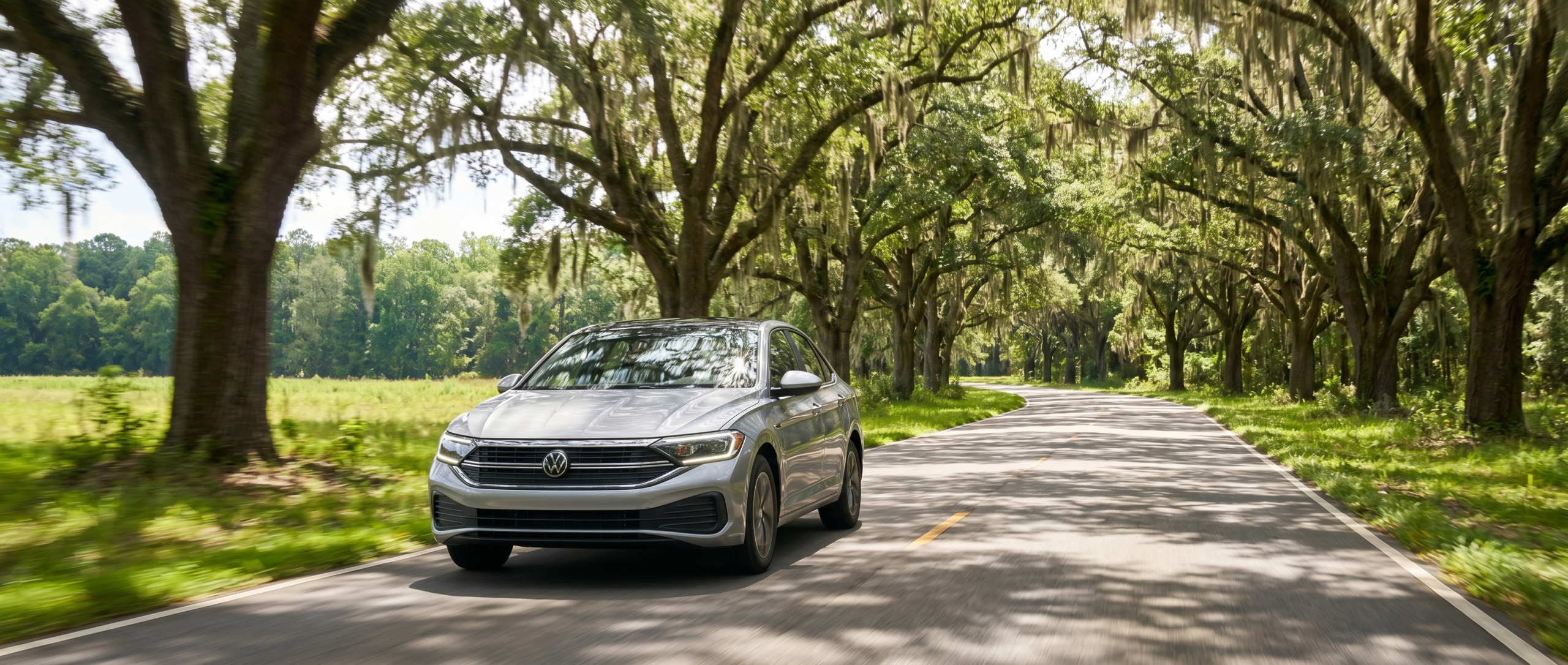
Summer in Spartanburg, SC means temperatures pushing 90 degrees, afternoon thunderstorms rolling off the Blue Ridge Mountains, and your daily commute becoming a test of your vehicle’s comfort and efficiency. The Volkswagen Jetta delivers 41 highway MPG while keeping you cool and comfortable – exactly what Spartanburg commuters need when summer heat turns I-85 into a slow-moving parking lot.
Understanding Spartanburg’s Summer Commute Challenges
Your morning drive from Boiling Springs to downtown Spartanburg takes 25% longer during summer months due to increased traffic from Wofford College summer programs and tourist traffic heading to the mountains. Add in the afternoon heat radiating off the asphalt on Highway 29, and you need a vehicle that excels at stop-and-go efficiency while maintaining a comfortable cabin temperature.
The Jetta’s turbocharged engine produces peak torque at just 1,400 RPM, meaning you get responsive acceleration without excessive fuel consumption – perfect for navigating the frequent speed changes on Business 85 through town.
Local driving patterns here differ from other markets. Between the elevation changes heading toward Landrum and the humidity that makes your AC work overtime, your commuter car needs to balance power, efficiency, and comfort in ways that generic reviews don’t capture.
Fuel Efficiency That Makes Sense for Upstate Commuters
The Jetta achieves its impressive fuel economy through a combination of smart engineering that specifically benefits South Carolina drivers. Its 1.5-liter turbocharged engine uses a modified Miller combustion cycle, which sounds complex but simply means better efficiency when you’re cruising at highway speeds between Spartanburg and Greer.
Here’s how the Jetta’s efficiency translates to real Spartanburg driving:
Commute Comparison Table| Route | Miles | Jetta Fuel Used | Typical Sedan | Weekly Savings |
|---|---|---|---|---|
| Spartanburg to GSP Airport | 22 | 0.54 gallons | 0.73 gallons | 0.95 gallons |
| Duncan to BMW Plant | 15 | 0.48 gallons | 0.65 gallons | 0.85 gallons |
| Spartanburg to Clemson | 65 | 1.59 gallons | 2.17 gallons | 2.90 gallons |
| Boiling Springs to Downtown | 12 | 0.39 gallons | 0.52 gallons | 0.65 gallons |
The automatic stop/start system proves particularly useful when you’re stuck at the perpetually long red lights at the Pine Street and Highway 9 intersection. The engine seamlessly restarts when you lift your foot off the brake, saving fuel without any driver intervention.
Browse our new inventory to see the latest Jetta models with these efficiency features.
Comfort Features Designed for Southern Summer Heat
When the temperature gauge at Cleveland Park shows 95 degrees and the humidity makes it feel even hotter, the Jetta’s climate control system becomes your best friend. The available climatronic dual-zone automatic climate control maintains different temperatures for driver and passenger – essential when one person runs hot and the other prefers it cooler.
Summer Comfort Features:- Perforated V-Tex leatherette seats that breathe better than traditional leather
- Remote start capability to cool the cabin before you leave USC Upstate
- Cabin air filter that removes pollen from Spartanburg’s abundant pine trees
- Power sunroof with sunshade for evening drives along Highway 11
- Tinted glass that reduces UV rays by 96%
The Jetta GLI takes comfort further with ventilated front seats that actively cool you on sticky summer days. After sitting in the Westgate Mall parking lot, you’ll appreciate how quickly these seats eliminate that initial blast of stored heat.
Technology That Enhances Every Commute
Modern commuting involves more than just driving, especially when you’re navigating between meetings in downtown Spartanburg and conference calls during your drive. The Jetta integrates technology that makes every mile more productive and enjoyable.
The 8-inch touchscreen (10.25-inch on higher trims) runs Volkswagen’s latest MIB3 infotainment system with wireless Apple CarPlay and Android Auto. This means your phone stays in your pocket while you stream podcasts for the drive to Spartanburg Methodist College or take hands-free calls on your way to Spartanburg Regional.
Key Tech Features for Commuters:- Adaptive Cruise Control for steady highway speeds on I-26
- Lane Keeping System for those drowsy morning drives
- Automatic emergency braking with pedestrian monitoring
- Digital cockpit display with customizable information
- USB-C charging ports to keep devices powered
The BeatsAudio premium sound system in the GLI model transforms your commute into a mobile concert hall. With 400 watts of power and a subwoofer, you’ll hear every detail of your favorite music while cruising past Croft State Park.
Real-World Performance on Upstate Roads
Spartanburg’s mix of highway commuting and city driving demands versatility that the Jetta delivers effortlessly. The turbocharged engine provides 158 horsepower and 184 lb-ft of torque – numbers that translate to confident merging onto I-85 from the short on-ramps near Spartanburg Downtown Memorial Airport.
The Jetta handles Upstate South Carolina’s varied terrain with composure. Whether you’re climbing the grades toward Tryon or navigating the curves on Highway 176 toward Union, the responsive steering and well-tuned suspension keep you in control.
For those seeking more spirited driving, the Jetta GLI adds:
- 228 horsepower turbocharged engine
- Sport-tuned suspension
- Limited-slip differential
- Larger brakes with red calipers
- Dynamic Chassis Control
This performance doesn’t come at the expense of comfort. Even the GLI maintains a refined ride quality that won’t fatigue you during long commutes to Columbia or Charlotte.
Smart Storage Solutions for Daily Life
Commuting means carrying everything from gym bags for Spartanburg Athletic Club to groceries from Ingles Markets. The Jetta provides 14.1 cubic feet of trunk space – enough for golf clubs for your evening round at Three Pines Country Club plus your work gear.
Clever Storage Features:- 60/40 split-folding rear seats for longer items
- Center console with adjustable armrest
- Door pockets sized for water bottles
- Illuminated glove compartment
- Hidden compartment under cargo floor
The cabin offers thoughtful touches like a sunglasses holder perfectly positioned for those bright morning drives east on Highway 29. Cup holders accommodate everything from your Starbucks venti to a 32-ounce drink from QT.
Check out our pre-owned inventory for certified Jetta models with these practical features.
Common Questions About Why the Volkswagen Jetta Is a Smart Summer Commuter Car in Spartanburg, SC
How does the Jetta’s fuel economy compare to hybrid competitors in Spartanburg, SC driving conditions?
The Jetta achieves 31 city/41 highway MPG without hybrid complexity, matching many hybrid sedans in real-world Spartanburg driving. The turbocharged engine excels on highway stretches like I-85 while providing better acceleration than most hybrids. Local drivers report consistent 38-40 MPG on mixed commutes between Spartanburg and Greenville.
What’s the typical maintenance schedule for a Volkswagen Jetta in South Carolina’s climate?
Volkswagen recommends oil changes every 10,000 miles for the Jetta, with cabin air filter replacement every 20,000 miles – important for filtering Spartanburg’s summer pollen. The hot, humid summers mean checking coolant levels at 40,000 miles. Most Spartanburg Jetta owners follow this schedule without issues in our climate.
Does the Jetta GLI require premium fuel for commuting around Spartanburg?
Yes, the Jetta GLI’s high-performance turbocharged engine requires premium fuel for optimal performance. Regular Jetta models run perfectly on regular unleaded, saving money at stations along East Main Street. The GLI’s extra power and features justify the premium fuel cost for enthusiasts wanting sportier commutes.
How well does the Volkswagen Jetta handle rain on I-85 and other Spartanburg highways?
The Jetta’s standard Electronic Stability Control and available all-season tires provide confident handling during Spartanburg’s sudden summer thunderstorms. The rain-sensing wipers automatically adjust speed, while the anti-lock brakes maintain control on wet highways. Many local drivers praise its stability during heavy downpours common in July and August.
What’s the real-world range for a tank of gas commuting in the Spartanburg, SC area?
With its 13.2-gallon fuel tank, the Jetta typically delivers 450-500 miles per tank for Spartanburg-area commuting. Drivers traveling mainly on I-85 or I-26 often see closer to 540 miles per tank. This range means filling up just once a week for most Upstate commuters.
Can the Jetta’s infotainment system handle the heat when parked outside in Spartanburg summers?
Volkswagen tests the MIB3 infotainment system in extreme temperatures exceeding what Spartanburg experiences. The system includes thermal management to prevent overheating when parked at Morgan Square or Duncan Park. Using a windshield sunshade helps protect all interior electronics during peak summer heat.
Your Smart Commuting Choice Awaits
After considering fuel efficiency, comfort technology, and real-world performance, the Volkswagen Jetta emerges as an intelligent choice for Spartanburg summer commuting. Its combination of 41 highway MPG, advanced comfort features, and proven reliability addresses the specific challenges of Upstate South Carolina driving. Whether you’re navigating the morning rush on I-85 or cruising to Paris Mountain State Park on weekends, the Jetta delivers the efficiency and comfort that makes every mile more enjoyable. The team at Steve White Volkswagen Spartanburg understands these local driving needs and can help match you with the perfect Jetta configuration for your daily route.
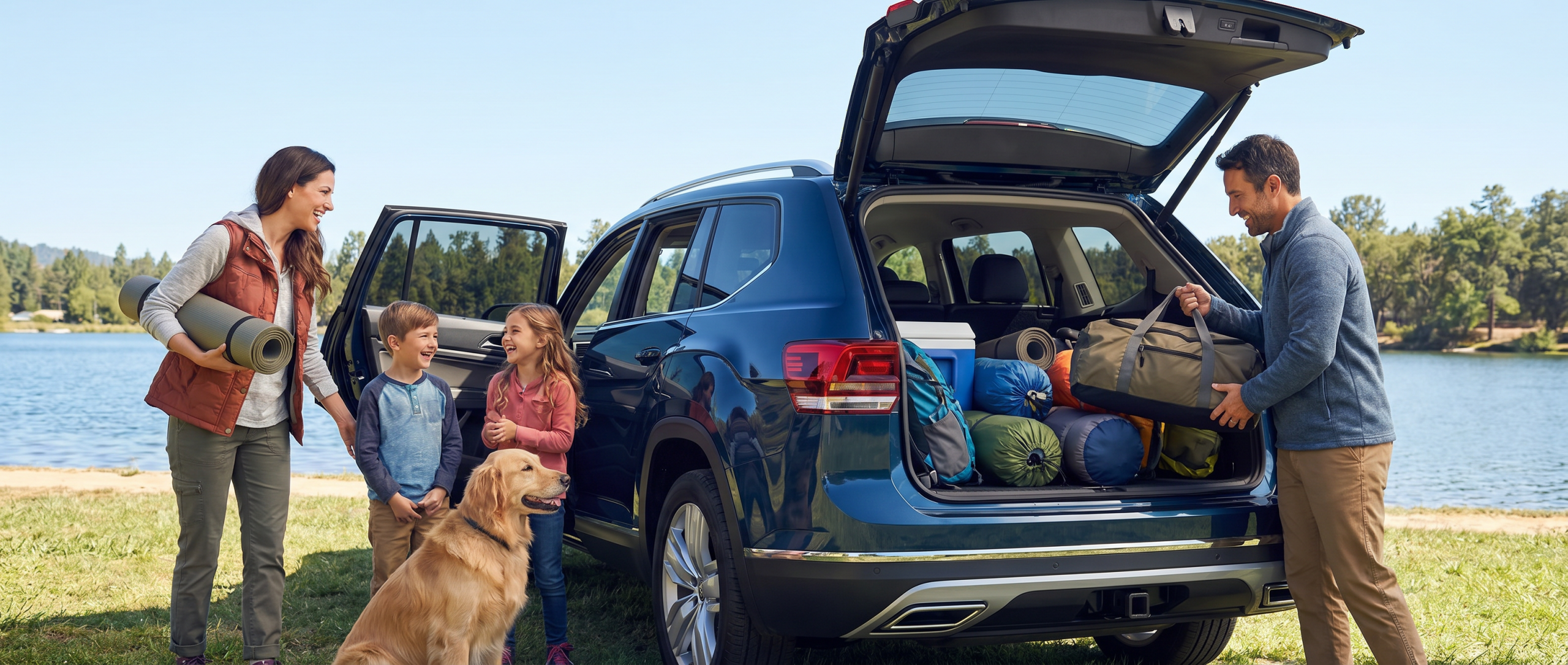
Seven-passenger seating, 20.6 cubic feet of cargo space behind the third row, and standard safety features make the Volkswagen® Atlas the practical choice for families exploring Lake Bowen and beyond. Finding the right family vehicle in Spartanburg, SC means balancing space, safety, and budget while considering your daily routes through Boiling Springs, weekend trips to nearby parks, and everything in between. This guide matches specific Volkswagen models to real family situations, helping you identify which vehicle fits your lifestyle, whether you’re navigating school pickup lines or heading to Croft State Park for weekend adventures.
Understanding Your Family’s Vehicle Needs
Your morning routine reveals exactly what you need from a family vehicle. That third car seat that barely fits, the sports equipment that never quite has a home, or the muddy dog that jumps in after every trip to Cowpens National Battlefield – these daily realities shape your vehicle requirements more than any feature list ever could.
Key factors that define your family’s needs:
- Number of car seats required (infant, convertible, or booster)
- Daily passenger count including carpools
- Cargo requirements for strollers, sports gear, or groceries
- Typical driving distance and fuel efficiency priorities
- Budget considerations for purchase and ongoing costs
The Spartanburg area presents unique considerations too. Summer temperatures regularly hit the 90s, making strong air conditioning essential for keeping little ones comfortable. Those afternoon thunderstorms common from May through September mean you’ll appreciate available all-wheel drive when navigating wet roads around Boiling Springs.
Volkswagen’s Family Vehicle Lineup Breakdown
Volkswagen offers five distinct models that work well for families, each designed for different priorities and lifestyles. The Atlas and Atlas Cross Sport lead the pack for maximum space, while the Tiguan provides the sweet spot of size and efficiency. The ID. Buzz brings electric innovation to family transport, and the Jetta offers surprising practicality for smaller families on a budget.
| Model | Seating | Cargo Space (cu ft) | Starting MPG | Best For |
|---|---|---|---|---|
| Atlas | 7 | 96.8 max | 21/25 | Large families, carpools |
| Atlas Cross Sport | 5 | 77.8 max | 20/24 | Active families wanting style |
| Tiguan | 7 available | 73.5 max | 24/30 | Versatile suburban families |
| ID. Buzz | 6 | 145.5 max | TBD electric | Tech-savvy eco-conscious families |
| Jetta | 5 | 14.1 trunk | 31/41 | Small families, budget-focused |
Each model serves different family dynamics. The seven-passenger Atlas handles the chaos of multiple sports schedules and weekend road trips to Charleston. The Tiguan works perfectly for families who need flexibility – third-row seating when grandparents visit, extra cargo space when they don’t. The upcoming ID. Buzz reimagines family transport with electric efficiency and massive interior space.
Safety Features That Matter for Spartanburg Families
Modern safety technology does more than protect – it prevents incidents before they happen. Every 2024 Volkswagen includes IQ.DRIVE® driver assistance features as standard equipment, providing an extra set of eyes during hectic morning commutes on I-85 or when navigating the busy shopping areas around WestGate Mall.
Standard safety features across the family lineup:
- Forward Collision Warning with Autonomous Emergency Braking
- Blind Spot Monitor active above 9 mph
- Rear Traffic Alert when backing out of parking spaces
- Lane Keeping System for highway driving
- Adaptive Cruise Control on most trims
The Atlas earned a 5-star overall safety rating from NHTSA, while the Tiguan received the IIHS TOP SAFETY PICK award. These ratings translate to real-world confidence when your precious cargo is aboard. The standard Automatic Post-Collision Braking System applies brakes after an initial collision to help reduce the chance of additional impacts – technology you hope never to need but appreciate having.
Local conditions make certain features especially valuable. The available all-wheel drive systems in the Atlas, Atlas Cross Sport, and Tiguan provide extra traction during those surprise afternoon downpours common in upstate South Carolina. Hill Start Assist prevents rollback on steep driveways throughout the Boiling Springs area, while the available Light Assist automatically manages high beams on dark country roads.
Matching Models to Your Family’s Lifestyle
The Atlas: Room for Everything and Everyone
Families with three or more children find the Atlas transforms daily logistics from stressful to simple. All three rows accommodate full-size humans comfortably, with the second row sliding forward even with car seats installed – crucial for accessing that third row. The Digital Cockpit displays navigation, audio, and vehicle information directly in front of the driver, minimizing distractions during busy carpools.
Atlas strengths:
- 96.8 cubic feet of maximum cargo space
- Standard V6 engine with 276 horsepower
- Available 4MOTION® all-wheel drive
- Hands-free power liftgate on upper trims
Considerations:
- Larger size requires adjustment for tight parking
- Lower fuel economy than smaller options
- Higher purchase price reflects additional space
The Tiguan: The Flexible Family Favorite
The Tiguan splits the difference between compact and full-size SUVs perfectly. Available third-row seating provides flexibility for occasional extra passengers, while folding those seats creates a massive cargo area for family adventures. The turbocharged engine delivers surprising power for highway merging while maintaining respectable fuel economy for daily commutes through Duncan and Lyman.
Explore our new inventory to see Tiguan models with different seating configurations and find the one that matches your specific needs.
The ID. Buzz: Electric Innovation for Modern Families
The upcoming ID. Buzz reimagines family transportation with zero emissions and maximum space. Its flat floor enabled by the electric platform creates incredible interior roominess, while the estimated 234-mile range easily handles daily Spartanburg-area driving plus weekend adventures. Three rows of seating accommodate six passengers comfortably, with captain’s chairs available in the second row.
Real-World Space and Comfort Comparisons
Numbers tell part of the story, but real-world usability matters more when you’re loading groceries at Publix with a toddler melting down in the parking lot. The Atlas provides 20.6 cubic feet behind the third row – enough for a full grocery run plus the giant teddy bear your child won at the Spartanburg County Fair. The Tiguan offers 12 cubic feet behind its optional third row, suitable for backpacks and smaller items but requiring seat folding for major shopping trips.
Second-row comfort varies significantly between models. The Atlas and Atlas Cross Sport feature available captain’s chairs that eliminate the middle seat battle while providing easier third-row access. The Tiguan’s bench seat accommodates three car seats across, though installing that third one requires patience and possibly removing the headrests.
| Daily Task | Atlas | Tiguan | Jetta |
|---|---|---|---|
| School pickup line maneuverability | Good with practice | Excellent | Best |
| Grocery/Costco runs | Fits everything | Usually sufficient | Creative packing |
| Sports equipment hauling | No compromises | Some Tetris required | Trunk only |
| Road trip comfort | Premium for all | Good for 5, tight for 7 | Cozy for 4 |
The Jetta surprises many families with its practicality. While lacking the commanding view and cargo flexibility of SUVs, its 14.1 cubic feet trunk swallows strollers, diaper bags, and weekly groceries. The superior fuel economy – up to 41 mpg highway – makes it perfect for families with long commutes to Greenville or frequent trips to grandparents in Columbia.
Technology Features Kids (and Parents) Love
Entertainment technology prevents the dreaded “Are we there yet?” on drives to Myrtle Beach, while connectivity features keep everyone happy during daily commutes. Volkswagen’s approach balances entertainment with safety, ensuring technology enhances rather than distracts from the journey.
Family-friendly technology highlights:
- Wireless Apple CarPlay® and Android Auto™ standard
- Available Fender® Premium Audio System
- Up to five USB ports depending on model
- Available wireless charging pad
- Digital Cockpit with customizable displays
The Atlas offers an available rear-seat entertainment system with dual screens, perfect for longer trips. However, many families find the standard connectivity options sufficient – kids can use tablets connected to the vehicle’s Wi-Fi hotspot while the driver maintains full control of the main audio system. The ID. Buzz takes technology further with an augmented reality head-up display that projects navigation instructions onto the windshield.
Climate control becomes critical during South Carolina summers. The Atlas and Atlas Cross Sport offer available three-zone automatic climate control, letting rear passengers set their preferred temperature. The Tiguan’s available heated rear seats prove valuable during those surprisingly cold January mornings before school.
Common Questions About Family Volkswagens in Spartanburg, SC
How does Volkswagen’s warranty protect Spartanburg families?
Volkswagen provides a 4-year/50,000-mile bumper-to-bumper warranty and 6-year/72,000-mile powertrain coverage on all new vehicles. This comprehensive protection covers your family through elementary school years, while the transferable warranty protects resale value when it’s time to upgrade. Many Spartanburg families appreciate the 24-hour roadside assistance included for the warranty period.
Which Volkswagen handles car seats best for young families?
The Atlas accommodates car seats most easily with its spacious second row and LATCH anchors in all positions. The 40/20/40 split-folding second row means you can access the third row even with car seats installed on both sides. The Tiguan also works well, though accessing the optional third row requires more maneuvering with multiple car seats installed.
What’s the most fuel-efficient Volkswagen for families commuting to Greenville?
The Jetta delivers exceptional efficiency at 31 city/41 highway mpg, making it ideal for families with long commutes but modest space needs. Among SUVs, the Tiguan achieves up to 30 mpg highway with front-wheel drive. Consider your priorities – the fuel savings over thousands of miles might offset the space limitations for smaller families.
How reliable are Volkswagen’s family vehicles in the Spartanburg climate?
Modern Volkswagens handle South Carolina’s varied climate confidently, from summer heat to occasional winter ice storms. The turbocharged engines perform consistently across temperature extremes, while the available 4MOTION® all-wheel drive systems provide confidence during wet conditions common around Lake Bowen. Regular maintenance at proper intervals ensures long-term reliability regardless of weather conditions.
Where can families test drive multiple Volkswagen models in Spartanburg?
Visit our showroom to compare the Atlas, Tiguan, and other family-friendly models side by side. Our team can arrange back-to-back test drives on routes that include highway driving, residential streets, and parking situations you encounter daily. We recommend bringing car seats to ensure proper fit and testing features important to your family’s routine.
Does Volkswagen offer special financing for growing families?
Volkswagen Credit often provides competitive rates and flexible terms for qualified buyers. Special programs may include deferred payments or longer terms to keep monthly payments manageable. Our financing team understands family budgets and can structure deals that accommodate everything from daycare costs to saving for college.
Finding Your Family’s Perfect Volkswagen Match
Choosing the right family vehicle involves more than comparing specifications – it requires understanding how each model fits your unique situation. The Atlas makes sense when space ranks as the absolute priority and you regularly transport six or seven people. The Tiguan works beautifully for families wanting SUV versatility without full-size proportions. The Jetta proves that sedan practicality shouldn’t be overlooked, especially for smaller families prioritizing efficiency.
Your daily reality should drive this decision. Consider your morning routine, weekend adventures, and those unexpected moments that define family life. Think about where you’ll be in three years – will you need space for another car seat, or will your oldest be driving themselves to Spartanburg High School?
Test driving remains essential to this process. Numbers and reviews provide guidance, but nothing replaces the experience of loading your actual car seats, sitting your kids in the back, and navigating your typical routes. Pay attention to sight lines when backing out of your driveway, ease of buckling children into car seats, and whether you can have a conversation with back-row passengers without shouting.
The team at Steve White Volkswagen Spartanburg understands these decisions because we’re part of this community too. We’ve helped families from Boiling Springs, Duncan, and throughout the Upstate find vehicles that grow with them. Our commitment extends beyond the sale – from routine maintenance to answering questions years down the road, we’re here to support your family’s journey.
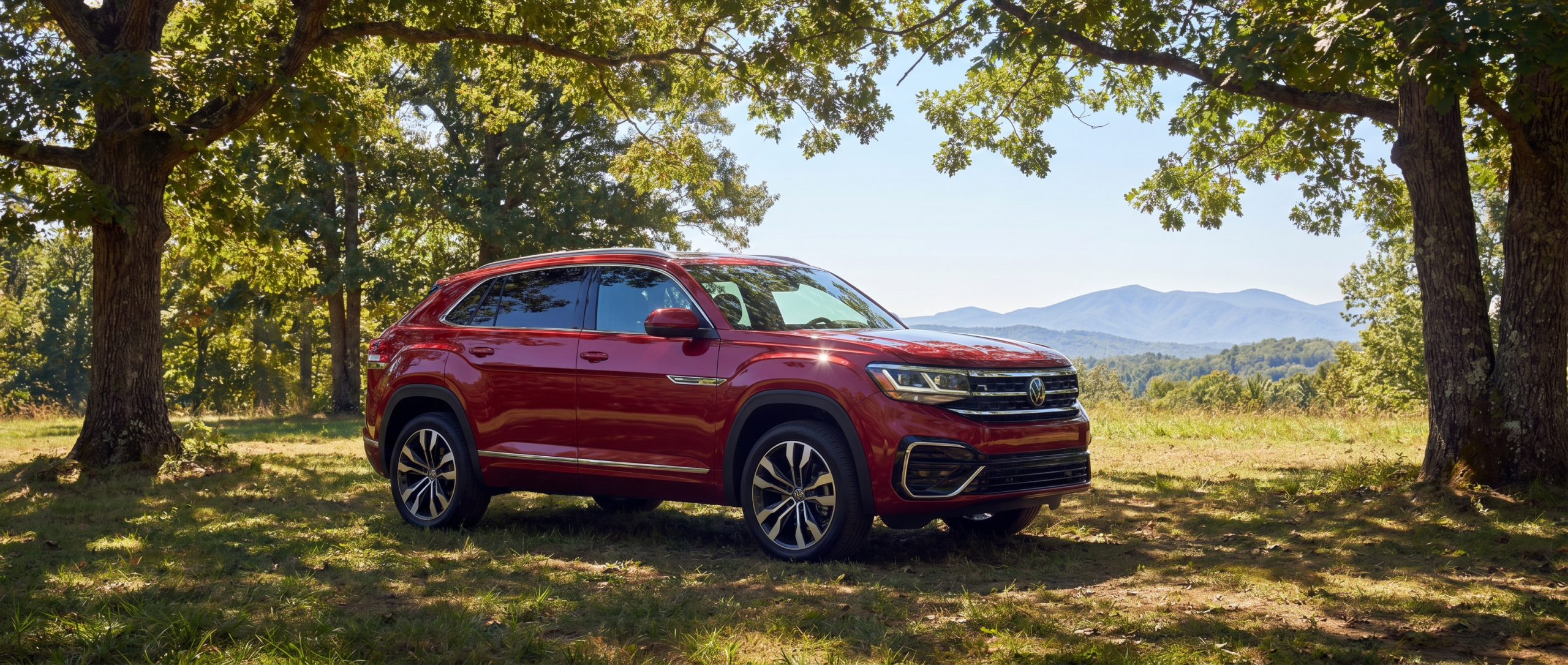
Summer temperatures in Spartanburg, SC regularly climb above 90°F, putting extra strain on your Volkswagen‘s cooling system – but a few preventive measures can keep your engine running smoothly through the hottest months. Whether you’re commuting past BMW Manufacturing or heading to Croft State Park for a weekend adventure, understanding how your vehicle manages heat helps prevent costly breakdowns and extends engine life. This guide covers essential cooling system maintenance, smart driving strategies, and warning signs that every Volkswagen owner in the Upstate should recognize.
Understanding Your Volkswagen’s Cooling System Components
Your Volkswagen’s cooling system maintains optimal engine temperature through a network of components that must work together perfectly – when one fails, the entire system suffers. The heart of this system is the water pump, which circulates coolant through your engine block, radiator, and heater core at a rate of up to 7,500 gallons per hour during highway driving.
The radiator acts as your vehicle’s primary heat exchanger, using aluminum fins and cooling tubes to dissipate engine heat into the surrounding air. Behind it, electric cooling fans activate based on temperature sensors, pulling additional air through the radiator when you’re stopped in traffic or climbing the steep grades near Paris Mountain State Park.
Your thermostat serves as the gatekeeper, remaining closed until the engine reaches operating temperature (typically 195°F), then opening to allow coolant flow. This precise temperature control is especially important during Spartanburg’s variable spring and fall weather, when morning temperatures can differ by 30 degrees from afternoon highs.
| Component | Function | Typical Lifespan | Warning Signs |
|---|---|---|---|
| Water Pump | Circulates coolant | 60,000-90,000 miles | Coolant leaks, whining noise |
| Radiator | Dissipates heat | 8-10 years | Overheating, visible damage |
| Thermostat | Regulates temperature | 10 years | Temperature fluctuations |
| Cooling Fans | Provides airflow | 100,000+ miles | Overheating at idle |
| Radiator Cap | Maintains pressure | 5-7 years | Coolant loss, overheating |
The expansion tank and radiator cap work together to maintain proper system pressure, typically 15-18 PSI, which raises the coolant’s boiling point and prevents vapor pockets from forming in the system.
Essential Summer Maintenance for Spartanburg Volkswagen Owners
Regular cooling system maintenance becomes critical when temperatures at Cleveland Park push into the 90s and humidity levels soar above 70% – conditions that stress even well-maintained vehicles. Start with a comprehensive coolant system inspection every spring, checking for leaks, worn hoses, and proper coolant levels before the summer heat arrives.
- Check coolant level and condition
- Inspect radiator fins for damage or debris
- Test radiator cap pressure rating
- Examine all hoses for cracks or soft spots
- Verify cooling fan operation
- Clean air conditioning condenser
- Test coolant concentration with refractometer
Volkswagen recommends replacing coolant every 4 years or 40,000 miles for most models, but Spartanburg’s hot summers may require more frequent service. The ideal coolant mixture contains 50% antifreeze and 50% distilled water, providing freeze protection to -34°F and raising the boiling point to 265°F with a 15 PSI radiator cap.
Belt inspection deserves special attention, as the serpentine belt drives your water pump on many Volkswagen models. A worn belt can slip under load, reducing water pump efficiency just when cooling demand peaks. Look for cracks, glazing, or fraying, and consider replacement if the belt shows any wear signs.
Air filter replacement might seem unrelated to cooling, but a clogged filter forces your engine to work harder, generating additional heat. During pollen season around Converse College, filters can clog faster than normal, so check yours monthly from March through May. The investment in quality filters pays off through better engine breathing and lower operating temperatures.
Smart Driving Strategies to Prevent Overheating
How you drive during Spartanburg summers significantly impacts your Volkswagen’s cooling system performance – aggressive acceleration and high-speed driving generate substantially more heat than steady, moderate driving. When stuck in traffic on I-85 near Westgate Mall, shift to neutral occasionally to reduce transmission heat buildup, especially important for DSG-equipped models like the Jetta GLI or Golf GTI.
Highway driving actually helps cooling by providing consistent airflow through the radiator, but stop-and-go traffic around downtown Spartanburg challenges your cooling system most. In heavy traffic, maintain extra following distance to improve airflow and avoid riding the brakes, which adds heat to an already stressed system.
- Reduce speed by 10-15 mph from normal
- Use lower gears to keep RPMs moderate
- Take breaks every 60-90 minutes
- Monitor temperature gauge closely
- Consider auxiliary transmission cooler
When climbing long grades toward the Blue Ridge Parkway, downshift to maintain steady RPMs rather than lugging the engine in a high gear. Your Atlas or Tiguan’s turbocharged engine produces less heat at 2,500 RPM in third gear than at 1,800 RPM in fifth gear under the same load.
Using your air conditioning adds heat load to the cooling system, but modern Volkswagen models manage this efficiently. If you notice temperature creeping up, try using the fresh air setting instead of recirculation, which reduces compressor load slightly. Setting the temperature to 72°F instead of maximum cold also helps reduce system strain while keeping you comfortable.
When to Seek Professional Service at Your Spartanburg Dealership
Temperature gauge readings above the center mark demand immediate attention – continuing to drive risks severe engine damage that could cost thousands to repair. If your gauge climbs while driving through Spartanburg, safely pull over, turn off the air conditioning, and let the engine idle with the heater on full blast to help dissipate heat.
- Temperature gauge in red zone
- Steam from under hood
- Sweet smell indicating coolant leak
- Coolant puddles under vehicle
- Heater blowing cold air
- Rough idle or misfiring
- Illuminated check engine light
Never remove the radiator cap when the engine is hot – the pressurized coolant can cause severe burns. Wait at least 30 minutes after shutting down before checking coolant levels, and even then, use extreme caution. If you’re unsure about the severity, it’s time to schedule service rather than risk engine damage.
| Symptom | Possible Cause | Urgency | Typical Repair |
|---|---|---|---|
| Gradual temperature increase | Low coolant | High | Top off and leak test |
| Rapid overheating | Failed water pump | Critical | Component replacement |
| Overheating at idle only | Fan failure | Moderate | Fan motor/relay repair |
| White exhaust smoke | Head gasket | Critical | Major engine repair |
| Coolant in oil | Internal leak | Critical | Engine evaluation needed |
Modern Volkswagen models include sophisticated monitoring systems that can detect problems before they become critical. The ID.4 and other newer models will display specific warning messages, while traditional gauge-equipped vehicles rely on driver observation. Either way, responding quickly to warning signs prevents minor issues from becoming major repairs.
Protecting Your Volkswagen Investment Through Proper Cooling Care
Consistent cooling system maintenance protects your engine investment while ensuring reliable performance through Spartanburg’s hottest months – prevention truly costs less than repair. A well-maintained cooling system typically lasts the life of the vehicle, while neglected systems often fail between 80,000 and 120,000 miles, potentially causing catastrophic engine damage.
Regular professional inspections catch problems early, when repairs are simpler and less expensive. During these inspections, technicians check components you might miss, including heater core operation, head gasket integrity, and water pump bearing play. They also have access to Volkswagen-specific diagnostic tools that identify issues before symptoms appear.
Creating a seasonal maintenance schedule helps ensure nothing gets overlooked. Spring preparation should include cooling system inspection and air conditioning service. Summer focuses on monitoring and maintaining proper levels. Fall service prepares for winter temperature extremes, while winter gives the cooling system its easiest season but still requires attention to antifreeze protection levels.
Browse our new inventory to explore Volkswagen models with the latest cooling technology and efficiency features.
Common Questions About Volkswagen Cooling Systems in Spartanburg, SC
How often should I check my Volkswagen’s coolant level in Spartanburg’s summer heat?
Check your coolant level every two weeks during summer months when temperatures regularly exceed 85°F. Park on level ground, wait for the engine to cool completely, and verify the level falls between the minimum and maximum marks on the expansion tank. More frequent checks help catch small leaks before they become major problems, especially important during South Carolina’s humid summers.
What’s the best coolant type for my Volkswagen in South Carolina’s climate?
Use only Volkswagen G13 (pink/purple) coolant or approved equivalents that meet VW specifications TL 774 J. This organic acid technology coolant provides superior heat transfer and corrosion protection in Spartanburg’s hot, humid climate. Never mix different coolant types or colors, as this can cause chemical reactions that damage cooling system components.
Why does my Volkswagen run hotter when driving through downtown Spartanburg?
Stop-and-go traffic reduces airflow through your radiator while the engine continues producing heat, causing temperatures to rise. Your cooling fans compensate at low speeds, but they’re less efficient than natural airflow at highway speeds. This is normal behavior, but if temperatures climb into the red zone, have your cooling system inspected for issues like partially clogged radiators or weak fan motors.
Can I use regular water instead of coolant during Spartanburg summers?
Never use plain water as it lacks corrosion inhibitors and actually has a lower boiling point than proper coolant mixture. A 50/50 mix of coolant and distilled water provides optimal heat transfer while protecting aluminum components in your Volkswagen’s engine. In emergency situations, water is better than running dry, but have the system properly serviced immediately afterward.
How do Spartanburg’s hills affect my Volkswagen’s cooling system?
Climbing hills toward Paris Mountain or Hogback Mountain requires more engine power, generating additional heat that your cooling system must dissipate. Maintain steady speeds, use appropriate gears to keep engine RPMs in the efficient range, and monitor your temperature gauge closely. Modern turbocharged engines in models like the Tiguan handle hills efficiently, but proper maintenance remains essential.
Should I worry about cooling system problems with a new Volkswagen?
New vehicles have robust cooling systems designed for extreme conditions, but Spartanburg’s combination of heat, humidity, and elevation changes still demands attention. Follow the maintenance schedule in your owner’s manual, perform visual inspections regularly, and address any warning signs promptly. Even new vehicles benefit from seasonal cooling system checks to ensure optimal performance.
Your Partner in Volkswagen Care
Maintaining your Volkswagen’s cooling system through Spartanburg’s sweltering summers doesn’t have to be overwhelming when you have the right knowledge and support. From the simple act of checking coolant levels to understanding warning signs that demand professional attention, every step you take protects your investment and ensures comfortable, reliable driving. The combination of preventive maintenance, smart driving habits, and timely professional service keeps your engine running at optimal temperature regardless of what Mother Nature throws at you. When you need expert cooling system service or have concerns about your vehicle’s performance, the certified technicians at Steve White Volkswagen Spartanburg understand the unique challenges our local climate presents and have the tools and expertise to keep you confidently on the road.
Best Volkswagen® Vehicles for Hot Weather Commuting on Reidville Road in Spartanburg, SC
South Carolina summers push thermometers past 95°F regularly, and your daily Reidville Road commute shouldn’t feel like a test of endurance. Finding the best Volkswagen vehicles for hot weather commuting on Reidville Road means understanding which models excel at keeping you cool, comfortable, and efficient when temperatures soar in Spartanburg, SC. Whether you’re navigating the busy stretch between Westgate Mall and BMW Manufacturing or heading toward Duncan, the right VW transforms sweltering drives into comfortable journeys.
Why Your Vehicle Choice Matters in Spartanburg’s Summer Heat
Your car’s interior temperature can reach 140°F after sitting in the Spartanburg sun for just 30 minutes – that’s hot enough to cause serious discomfort before your AC even kicks in. The combination of high humidity near the Tyger River and intense UV exposure creates unique challenges for commuters.
Reidville Road sees over 25,000 vehicles daily during peak hours, meaning stop-and-go traffic where efficient cooling becomes critical. The stretch from Pine Street to Highway 290 particularly tests your vehicle’s climate management capabilities.
Choosing the right Volkswagen means considering:
- Climate control efficiency and speed
- Cabin insulation quality
- Fuel efficiency during AC use
- Interior space and airflow design
- Sun protection features
Matching Volkswagen Models to Hot Weather Needs
Different commuting patterns on Reidville Road demand different vehicle solutions. Your ideal VW depends on whether you’re making short trips to Spartanburg Regional Hospital or longer commutes toward Greer.
| Commute Type | Best VW Model | Key Hot Weather Feature | EPA Highway MPG |
|---|---|---|---|
| Short Urban (Under 15 min) | Jetta | Quick-cooling compact cabin | 41 |
| Mixed Traffic (15-30 min) | Taos | Elevated seating, panoramic sunroof shade | 32 |
| Long Highway (30+ min) | Atlas | Tri-zone climate, ventilated seats | 27 |
| Stop-and-Go Heavy | Jetta GLI | Performance cooling, sport seats | 32 |
| Family Hauling | Atlas Cross Sport | Rear AC vents, spacious interior | 28 |
The Taos stands out for typical Reidville Road commuters who face mixed conditions. Its higher ride height provides better visibility in heavy traffic near WestGate Mall, while the available panoramic sunroof includes a power shade that blocks 99% of UV rays.
For those commuting from neighborhoods near Croft State Park, the Atlas offers the most comprehensive cooling package. Three-zone automatic climate control means passengers in all rows stay comfortable, particularly important when carpooling becomes necessary during summer construction seasons.
Cooling Technology That Makes a Difference
Volkswagen engineers specifically designed their climate systems to handle extreme temperatures, and several models in the lineup showcase this expertise particularly well.
The ID. Buzz revolutionizes hot weather comfort with its pre-conditioning feature. Using the myVW app, you can cool the cabin while the vehicle charges, ensuring a comfortable 72°F interior before you leave Morgan Square or Cleveland Park. This electric model’s flat floor design also promotes superior airflow throughout the cabin.
Advanced Cooling Features by Model:
Tiguan
- Climatronic® dual-zone automatic climate control
- Available ventilated front seats
- Rear air vents with separate controls
- Heat-rejecting glass on all windows
Golf GTI
- Performance-tuned AC for rapid cooling
- Clark plaid seats that breathe better than leather
- Automatic recirculation during stops
The Jetta GLI deserves special mention for enthusiast commuters. Its turbocharged engine generates significant heat, but VW compensated with an oversized cooling system that maintains cabin comfort even during spirited drives on Highway 176 toward Union.
Real-World Efficiency in Summer Conditions
Running air conditioning typically reduces fuel economy by 10-15%, but some Volkswagen models handle this penalty better than others. During typical Spartanburg summer conditions, these models excel at balancing comfort with efficiency.
The Jetta remains the efficiency champion, achieving 35+ MPG even with constant AC use on Reidville Road. Its smaller cabin requires less energy to cool, and the turbocharged engine maintains power without working harder in hot weather. Commuters traveling from Boiling Springs to downtown Spartanburg report minimal impact on their fuel costs.
Summer Fuel Economy Comparison:
| Model | City MPG (AC On) | Highway MPG (AC On) | Monthly Fuel Cost Estimate* |
|---|---|---|---|
| Jetta | 28 | 35 | $95 |
| Taos | 25 | 30 | $110 |
| Tiguan | 23 | 28 | $125 |
| Atlas | 19 | 25 | $145 |
*Based on 1,000 miles monthly driving, $3.50/gallon
The ID. Buzz changes the equation entirely. Electric powertrains generate less waste heat, meaning the cabin stays cooler naturally. Plus, climate control draws from the battery without affecting driving range as dramatically as gas engines lose fuel economy.
Browse our new inventory to compare real-world efficiency ratings across all models.
Comfort Features Beyond Air Conditioning
Effective hot weather commuting involves more than just cold air. The best Volkswagen vehicles for Reidville Road combine multiple comfort technologies that work together.
Seating Solutions
Leather seats look premium but can become uncomfortably hot after parking at Spartanburg Community College or USC Upstate. VW addresses this with:
- Perforated leatherette that breathes better than solid surfaces
- Available ventilated seats in Atlas and Tiguan
- Light-colored interior options that absorb less heat
- V-Tex leatherette that stays 10°F cooler than genuine leather
Glass and Visibility
The intense Carolina sun creates glare issues, particularly driving east on Reidville Road during morning commutes. Volkswagen’s solution includes:
- Tinted rear glass (standard on most models)
- Available rain-sensing wipers for summer thunderstorms
- Acoustic glass that also blocks UV rays
- Power sunshades in Atlas models
Interior Air Quality
Summer brings pollen from the countless trees around Hatcher Garden and Woodland Preserve. The Tiguan and Atlas feature:
- Cabin air filters with activated charcoal
- Automatic air recirculation in heavy traffic
- Fresh air timers that prevent stagnation
Practical Tips for Hot Weather VW Ownership
Maximizing your Volkswagen’s hot weather performance starts before you turn the key. These strategies help Spartanburg-area drivers stay comfortable all summer.
- Park facing away from afternoon sun when possible
- Use windshield sun shade during work hours
- Crack windows slightly when safe (parking garages)
- Check coolant levels monthly
- Verify cabin air filter condition
The Volkswagen Car-Net® remote start feature, available on most models, proves invaluable for summer preparation. Start your vehicle from inside Denny’s or Krispy Kreme, and return to a pre-cooled cabin.
Regular maintenance becomes critical in extreme heat. The service team recommends checking your coolant system before summer and replacing cabin air filters every 12,000 miles – more frequently if you regularly drive near construction on Highway 29.
Making Your Decision for Spartanburg Commuting
The best Volkswagen for your hot weather commute ultimately depends on your specific route and needs. Short-distance commuters from neighborhoods near Spartanburg High School find the Jetta or Golf GTI ideal – quick to cool and efficient. Families traveling from Roebuck or Moore need the Atlas’s comprehensive climate control and space.
Consider your typical day:
- Morning departure time and sun angle
- Parking situation at work (covered vs. exposed)
- Number of passengers
- Highway vs. city street ratio
- Cargo needs that affect cabin space
The Taos emerges as the versatile choice for most Reidville Road commuters. It balances efficiency with comfort, offers excellent visibility in traffic, and includes enough advanced cooling features to handle the worst summer days.
Common Questions About Best Volkswagen Vehicles for Hot Weather Commuting on Reidville Road in Spartanburg, SC
How quickly can a VW cool down after sitting in the Spartanburg sun?
Most Volkswagen models cool the cabin to comfortable temperatures within 3-5 minutes of starting. The Jetta’s compact interior cools fastest, reaching 75°F in about 3 minutes, while the larger Atlas may take 5-7 minutes for all three zones to reach target temperature.
Which Volkswagen has the best air conditioning system for South Carolina summers?
The Atlas offers the most comprehensive cooling system with available tri-zone automatic climate control and ventilated seats. However, the ID. Buzz’s pre-conditioning capability means you never have to enter a hot vehicle, making it ideal for tech-savvy Spartanburg commuters.
Do turbocharged VW engines handle heat as well as regular engines?
Volkswagen’s turbocharged engines include additional cooling systems and actually perform better in heat than many naturally aspirated engines. The Golf GTI and Jetta GLI maintain full power even in 100°F weather, thanks to intercoolers and enhanced radiator capacity designed for extreme conditions.
What’s the most fuel-efficient VW for summer commuting with AC running constantly?
The Jetta delivers the best fuel economy with AC use, maintaining over 35 MPG highway even in full cooling mode. For Reidville Road’s mix of highway and city driving, expect around 31 MPG combined during summer months.
Where can I test drive Volkswagen models in Spartanburg, SC?
You can experience all Volkswagen models’ cooling capabilities firsthand at the dealership located conveniently off Interstate 26. Summer test drives offer the perfect opportunity to evaluate climate control performance during actual hot weather conditions.
Does VW warranty cover air conditioning repairs in Spartanburg’s climate?
Yes, Volkswagen’s New Vehicle Limited Warranty covers air conditioning components for 4 years or 50,000 miles. This includes the compressor, evaporator, and all related cooling system parts that might fail due to Spartanburg’s demanding summer conditions.
Your Cool, Comfortable Commute Awaits
Surviving Spartanburg’s summer heat while navigating Reidville Road doesn’t mean suffering through sweaty commutes or astronomical fuel bills. The right Volkswagen transforms hot weather driving from an ordeal into just another comfortable part of your day. Whether you choose the efficient Jetta for quick trips to Converse Heights, the versatile Taos for mixed commuting, or the comprehensively equipped Atlas for family hauling, you’ll arrive at your destination refreshed rather than drained. The team at Steve White Volkswagen Spartanburg understands how crucial comfort becomes during our intense summers and can match you with the perfect model for your specific commuting needs.
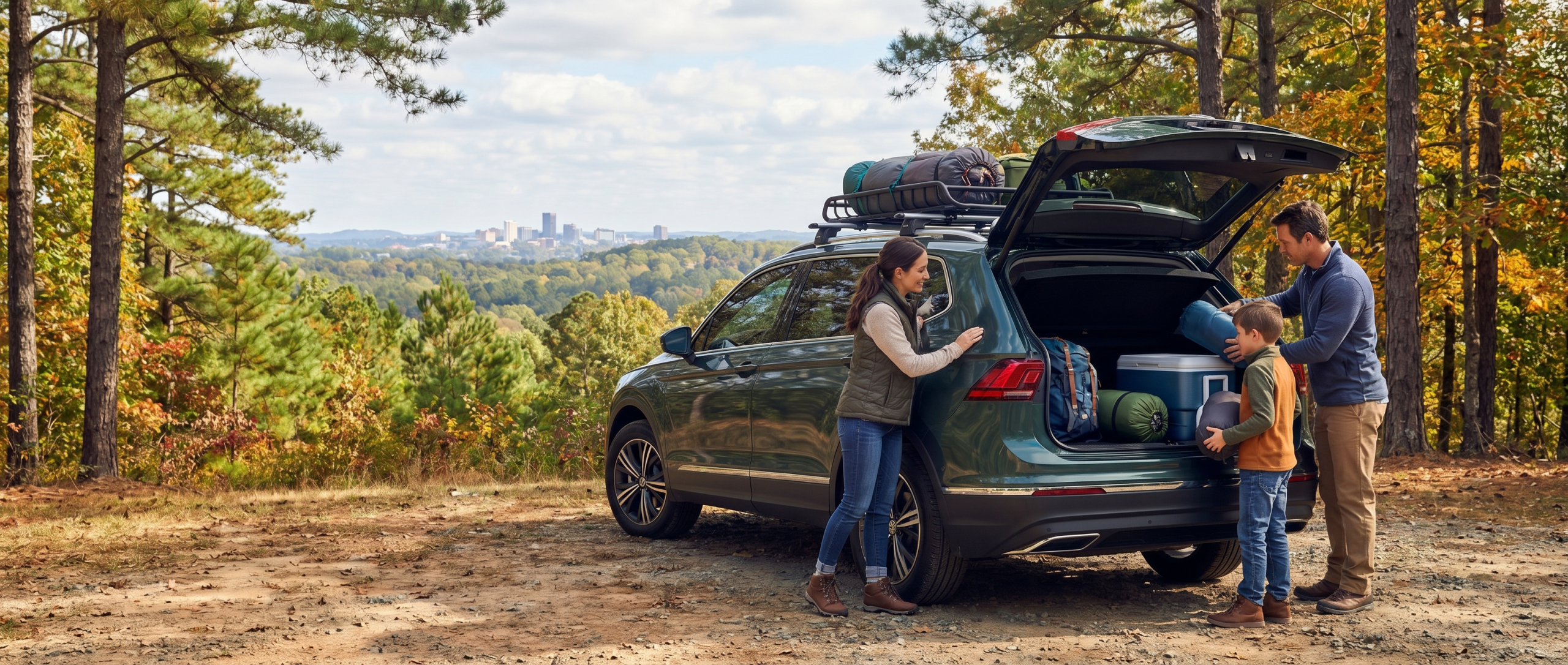
The average Spartanburg, SC family drives 28,400 miles annually between school runs, work commutes, and weekend getaways to Table Rock State Park—that’s 40% more than the national average. For families considering the Volkswagen® Tiguan versus the Mazda CX-5, understanding how each SUV handles this demanding lifestyle matters more than comparing spec sheets. Both compact SUVs promise family-friendly features and efficient performance, but their approaches differ significantly in ways that affect your daily driving experience through the Upstate’s varied terrain.
Understanding Your Family’s Real SUV Needs
Your morning routine probably involves more than just getting from point A to point B—it’s juggling car seats, sports equipment, and keeping everyone comfortable during stop-and-go traffic on I-85. The right SUV transforms these daily challenges into manageable moments.
Consider what matters most for your family:
- Morning school drop-offs and afternoon pickup lines
- Weekend trips to Cowpens National Battlefield or downtown Greenville
- Cargo flexibility for everything from groceries to camping gear
- Safety features that protect what matters most
- Fuel efficiency for those frequent drives to BMW Manufacturing or GSP International Airport
The choice between these two SUVs often comes down to how you balance space, efficiency, and driving dynamics in your daily routine.
Space and Comfort: Where the Tiguan Shines
The Volkswagen Tiguan’s standout feature remains its optional third-row seating—unique in this class and particularly valuable for growing Spartanburg families. With 73.5 cubic feet of maximum cargo space (with second and third rows folded), the Tiguan offers minivan-like capacity in a more manageable package.
| Feature | Volkswagen Tiguan | Mazda CX-5 |
|---|---|---|
| Passenger Capacity | Up to 7 (with third row) | 5 |
| Cargo Behind 2nd Row | 37.6 cu ft | 30.9 cu ft |
| Maximum Cargo Space | 73.5 cu ft | 59.6 cu ft |
| Second-Row Legroom | 38.7 inches | 39.6 inches |
| Third-Row Availability | Yes (optional) | No |
The Tiguan’s interior flexibility proves its worth during real-world situations:
- Carpooling to Spartanburg Regional SportsMed Complex for practices
- Hauling furniture from West Main Artists Co-op
- Road trips with grandparents joining the adventure
Second-row passengers in the Tiguan enjoy sliding and reclining seats, creating customizable comfort for longer journeys. The panoramic sunroof (available on higher trims) bathes the cabin in natural light, making those drives through the Blue Ridge Foothills even more enjoyable.
Performance and Efficiency on Upstate Roads
Both SUVs feature turbocharged four-cylinder engines, but their performance characteristics suit different driving preferences. The Tiguan’s 2.0-liter turbocharged engine produces 184 horsepower and delivers its power smoothly across the rev range—ideal for merging onto I-26 or climbing the hills toward Tryon.
The CX-5’s naturally aspirated 2.5-liter engine (187 horsepower in base form) offers more immediate throttle response, while the available turbocharged version pushes output to 227 horsepower. This sportier character shows during spiraling drives through Campbell’s Covered Bridge area.
Real-World Fuel Economy Comparison:
- Tiguan S (FWD): 24 city / 30 highway MPG
- Tiguan (AWD): 23 city / 29 highway MPG
- CX-5 (FWD): 25 city / 31 highway MPG
- CX-5 (AWD): 24 city / 30 highway MPG
For daily driving around Spartanburg’s mix of city streets and rural highways, both deliver adequate performance. The Tiguan prioritizes smooth, quiet operation, while the CX-5 adds a dash of driving excitement to your commute.
Safety Technology That Protects Spartanburg Families
Modern families expect comprehensive safety features, and both SUVs deliver impressive standard equipment. The Tiguan includes Volkswagen’s IQ.DRIVE suite on every trim level, featuring:
- Forward Collision Warning with Automatic Emergency Braking
- Blind Spot Monitor
- Rear Traffic Alert
- Pedestrian Monitoring
- Adaptive Cruise Control (standard on most trims)
The Mazda CX-5 counters with its i-Activsense suite, including similar features plus:
- Traffic Jam Assist
- Driver Attention Alert
- Road Sign Recognition
Safety Ratings Comparison:
- IIHS Top Safety Pick: Both models earned this designation
- NHTSA Overall Rating: Both received 5 stars
- Standard Safety Features: Slight edge to Tiguan for including more features at base trim
These technologies prove especially valuable navigating Spartanburg’s growing traffic, from the busy Wade Hampton Boulevard corridor to packed parking lots at WestGate Mall. The peace of mind these systems provide during rain-soaked drives or foggy mornings near the Lawson’s Fork Creek valley can’t be overstated.
Technology and Daily Convenience Features
The morning school run goes smoother when your SUV’s technology works seamlessly. The Tiguan’s Digital Cockpit (standard on many trims) replaces traditional gauges with a customizable display, letting you prioritize navigation, audio, or driver assistance information based on your needs.
Infotainment Comparison:
| Feature | Volkswagen Tiguan | Mazda CX-5 |
|---|---|---|
| Standard Screen Size | 8 inches | 10.25 inches |
| Wireless Apple CarPlay | Yes (most trims) | No |
| Wireless Android Auto | Yes (most trims) | No |
| Built-in Navigation | Available | Available |
| Premium Audio | Fender® (available) | Bose® (available) |
The Tiguan’s wireless smartphone integration means no more fumbling with cables when shuttling between Duncan Park and Una Elementary. Voice commands handle most functions, keeping your attention where it belongs—on Spartanburg’s roads.
Both SUVs offer multiple USB ports throughout their cabins, essential for keeping devices charged during those weekend drives to Chimney Rock State Park. The Tiguan adds an available wireless charging pad, eliminating cord clutter entirely.
Making Your Decision: Tiguan or CX-5 for Your Family?
Choosing between these accomplished SUVs depends on your family’s specific needs and driving patterns around Spartanburg County.
Choose the Volkswagen Tiguan if you:
- Need or want third-row seating flexibility
- Prioritize maximum cargo capacity
- Value a quieter, more refined driving experience
- Appreciate longer warranty coverage (6 years/72,000 miles)
- Frequently carry more than five people
Consider the Mazda CX-5 if you:
- Prefer sportier handling and steering feel
- Want a more driver-focused experience
- Don’t need third-row seating
- Prioritize slightly better fuel economy
- Enjoy a more aggressive exterior design
For most Spartanburg families juggling school schedules, weekend adventures, and daily errands, the Tiguan’s combination of space, technology, and safety features provides compelling value. Its optional third row transforms it from compact SUV to family hauler when needed, while maintaining reasonable fuel economy for daily commuting.
Common Questions About Tiguan vs. CX-5 in Spartanburg, SC
How does the Volkswagen Tiguan handle in Spartanburg’s occasional winter weather?
The Tiguan’s available 4Motion all-wheel drive system automatically transfers power to wheels with the most traction, providing confidence during icy conditions on Highway 176 or snowy mornings in the northern parts of Spartanburg County. The system engages seamlessly without driver input, and the Tiguan’s higher ground clearance helps navigate unplowed neighborhood streets.
Which SUV offers better value for Spartanburg families on a budget?
The Tiguan S starts at a competitive price point while including more standard safety features than the base CX-5, including blind spot monitoring and rear traffic alert. When you factor in Volkswagen’s longer warranty coverage and the Tiguan’s additional cargo space, it often provides better long-term value for growing families.
How reliable is the Volkswagen Tiguan compared to the Mazda CX-5?
Both SUVs have shown improved reliability in recent years, with J.D. Power giving them comparable ratings. The Tiguan’s 6-year/72,000-mile warranty provides extra peace of mind compared to Mazda’s 3-year/36,000-mile coverage, potentially saving Spartanburg owners on unexpected repair costs.
Does the Tiguan or CX-5 work better for commuting from Spartanburg to Greenville?
The Tiguan’s quieter cabin and more comfortable seats make it ideal for the daily 30-mile commute on I-85 between Spartanburg and Greenville. Its adaptive cruise control (standard on most trims) reduces driver fatigue during stop-and-go traffic near the I-385 interchange.
Which SUV has lower maintenance costs in the Spartanburg area?
The Tiguan typically requires oil changes every 10,000 miles using synthetic oil, while the CX-5 recommends changes every 5,000-7,500 miles. This means fewer service visits for Tiguan owners, though both vehicles offer competitive maintenance costs overall.
Can the Tiguan’s third row comfortably fit adults for trips around Spartanburg?
The Tiguan’s third row best suits children or teenagers for trips to Spartanburg Regional History Museum or Morgan Square. Adults can manage short distances, but the second-row sliding feature helps maximize third-row legroom when needed for occasional adult passengers.
Your Next Step Toward the Perfect Family SUV
After weighing space, efficiency, and features, the Volkswagen Tiguan emerges as an exceptional choice for Spartanburg families who value versatility without sacrificing daily driving comfort. Its unique third-row availability, comprehensive warranty, and thoughtful technology integration address the real challenges of family life in the Upstate.
Ready to experience the difference? Take a test drive through your daily routes—from school pickup lines to weekend adventure destinations. The team at Steve White Volkswagen Spartanburg understands how important this decision is for your family and can help you explore every feature that matters. Whether you’re drawn to the Tiguan’s impressive cargo space or want to compare it directly with other options, a personalized test drive reveals which SUV truly fits your family’s lifestyle.
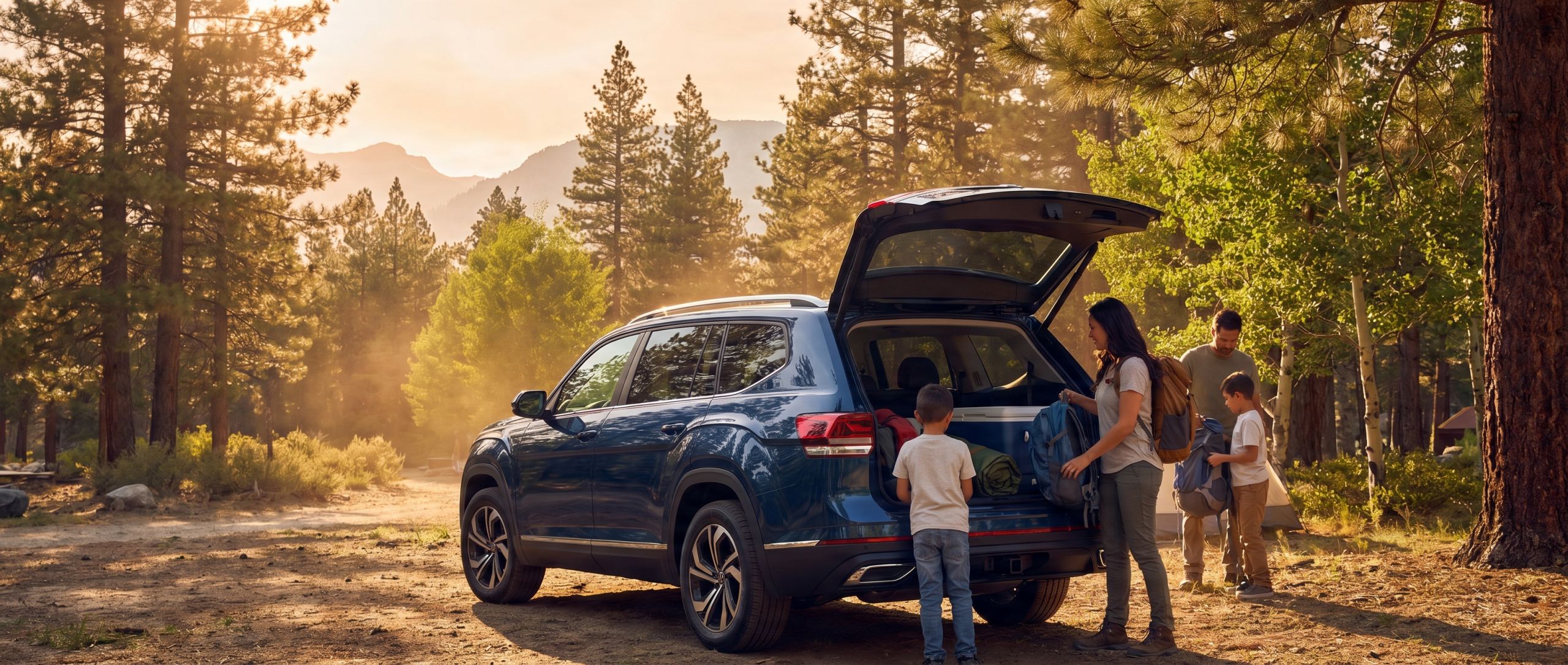
Planning a camping adventure to Croft State Park requires more than just a tent and sleeping bags – you need a vehicle that can handle both the journey and haul all your outdoor gear. Located just 20 minutes from downtown Spartanburg, SC, this 7,000-acre park offers everything from lakeside camping to equestrian trails, making it a favorite weekend escape for local families. Whether you’re navigating the winding roads through the park’s pine forests or need space for bikes, coolers, and camping equipment, choosing the right Volkswagen can transform your outdoor experience from ordinary to exceptional.
Understanding Your Camping Vehicle Needs
Your camping style directly determines which Volkswagen features matter most – and Croft State Park’s diverse terrain demands a vehicle that’s ready for anything. The park’s mix of paved roads, gravel paths to remote campsites, and occasional muddy conditions after South Carolina’s afternoon thunderstorms means you’ll want to consider more than just cargo space.
Think about your typical camping setup:
- How many people join your adventures?
- What gear do you absolutely need to bring?
- Will you tow a small trailer or stick to tent camping?
- Do you prefer lakeside sites or backcountry locations?
| Camping Style | Priority Features | Best VW Match |
|---|---|---|
| Family Camping (4+ people) | Maximum cargo space, 3rd row seating | Atlas |
| Couple’s Getaway | Fuel efficiency, moderate cargo | Taos or Tiguan |
| Adventure Camping | Ground clearance, AWD capability | Atlas Cross Sport |
| Eco-Conscious Camping | Zero emissions, unique style | ID. Buzz |
The distance from Spartanburg to various camping loops within Croft varies from 3 to 8 miles once you enter the park gates. While this seems short, the winding nature of Park Road and the need to navigate to specific campsites means your vehicle choice impacts comfort from the moment you leave Highway 56.
Top Volkswagen Models for Croft State Park Adventures
The Atlas stands out as Volkswagen’s camping champion, offering 96.8 cubic feet of cargo space with the second and third rows folded. This three-row SUV comfortably seats seven, making it perfect for families who frequent Croft’s group camping areas near the lake. The available 4Motion® all-wheel drive system provides confidence when afternoon storms turn the park’s dirt roads slippery, while the standard V6 engine delivers plenty of power for hauling bikes, kayaks, and camping gear up the rolling hills between Spartanburg and the park entrance.
For couples or small families, the Tiguan offers an ideal balance of capability and efficiency. With 73.5 cubic feet of cargo space and available AWD, it handles camping duty while returning better fuel economy than larger SUVs. The Tiguan’s slightly smaller footprint also makes navigating the narrow roads to Croft’s more secluded campsites easier, especially sites 15-20 in the Southside Camping Area where trees create a tighter canopy.
The Atlas Cross Sport brings a sportier profile to camping adventures. While it sacrifices the third row, you gain a more athletic driving experience on Highway 176 between Spartanburg and Croft. With 77.8 cubic feet of maximum cargo space, there’s still plenty of room for tents, coolers, and outdoor gear.
Adventure-Ready Features Across Models:
- Roof rails for cargo boxes or kayak racks
- Multiple USB ports to keep devices charged
- Available AWD for unpaved park roads
- LED lighting for late-night camp setup
- Advanced driver assistance for safer highway travel
The ID. Buzz™: Electric Camping Revolution
The all-electric ID. Buzz represents a bold new option for eco-conscious campers heading to Croft State Park. With an EPA-estimated range suitable for multiple trips between Spartanburg and the park without charging, this modern interpretation of the classic VW bus brings zero-emission camping to South Carolina. The ID. Buzz offers 145.5 cubic feet of cargo space with rear seats folded, rivaling traditional SUVs while producing no tailpipe emissions in the park’s pristine environment.
| ID. Buzz Camping Advantages | Practical Considerations |
|---|---|
| Silent operation won’t disturb wildlife | Limited charging infrastructure at Croft |
| Instant torque for hills | Range planning for longer trips |
| Unique style and spacious interior | Higher initial purchase price |
| Pre-conditioning while plugged in | Cold weather reduces range slightly |
The nearest DC fast charger to Croft State Park sits at the Spinx station on Highway 221, about 15 minutes from the park entrance. For weekend camping trips, the ID. Buzz’s range easily covers the round trip from Spartanburg plus exploring the park’s 15-mile trail system.
Packing Smart: Maximizing Your VW’s Camping Potential
Smart packing transforms any Volkswagen into an efficient camping companion for Croft adventures. The key lies in understanding each model’s unique storage solutions and organizing gear strategically for both the journey and campsite setup.
Essential Camping Gear Organization:
- Heavy items first: Place coolers, water jugs, and camp stoves on the floor
- Soft goods as buffers: Use sleeping bags and tents to fill gaps
- Quick access items: Keep first-night essentials within reach
- Utilize door pockets: Store maps, park passes, and flashlights
- Roof storage: Consider cargo boxes for bulky but light items
The Atlas and Atlas Cross Sport feature underfloor storage compartments perfect for storing wet or muddy items after hiking Croft’s Lake Johnson Trail. Meanwhile, the Tiguan’s 40/20/40 split-folding rear seats let you customize cargo space while still seating passengers for the drive from downtown Spartanburg.
Take a look at our new inventory to explore these camping-ready models with the exact features you need for outdoor adventures.
Local Insights: Spartanburg to Croft State Park Routes
The 20-minute drive from Spartanburg to Croft State Park offers two main routes, each with distinct advantages depending on your camping plans. Highway 56 provides the most direct path, winding through Union County’s rolling hills before reaching the park entrance. Alternatively, taking Highway 176 to Highway 49 adds only 5 minutes but passes the Food Lion in Pacolet where many campers stop for last-minute supplies.
Route Comparison for Camping Trips:
| Route | Distance | Drive Time | Key Stops | Best For |
|---|---|---|---|---|
| Highway 56 Direct | 18 miles | 20 minutes | Limited services | Quick arrival |
| Highway 176/49 | 22 miles | 25 minutes | Food Lion, gas stations | Supply runs |
| Scenic Route via 215 | 26 miles | 35 minutes | Cowpens National Battlefield | Sightseeing |
Weather conditions around Spartanburg significantly impact your camping experience and vehicle choice. Summer thunderstorms frequently roll through the Upstate between 2-6 PM, turning Croft’s dirt camping roads into muddy challenges. The Tiguan and Atlas models equipped with 4Motion AWD excel in these conditions, providing confident traction when returning to camp after afternoon hikes.
Local camping enthusiasts know that sites 1-10 near the lake fill quickly on weekends, especially during spring and fall when Spartanburg residents escape to enjoy the moderate temperatures. The Atlas’s spacious interior proves valuable during unexpected rain delays, providing comfortable shelter for the whole family while waiting out storms.
Essential Camping Features in Your VW
Modern Volkswagen models include thoughtful features that enhance every camping trip to Croft State Park. Beyond basic cargo space, these conveniences make the difference between a good camping trip and a great one.
Camping-Friendly Technology:
- Apple CarPlay® and Android Auto™ for navigation to remote campsites
- Ambient interior lighting for nighttime gear organization
- Climatronic® dual-zone climate control for comfort after hot hikes
- Rain-sensing wipers for sudden Upstate storms
- Keyless access when hands are full of camping gear
The Atlas family particularly shines with its available Digital Cockpit Pro, displaying navigation directly in your line of sight while navigating the park’s unmarked intersections. For families camping with teens, the available Wi-Fi hotspot capability keeps everyone connected even at Croft’s more remote sites, though many campers appreciate the chance to disconnect.
Check out our pre-owned inventory if you’re looking for these camping features at a different price point.
Planning Your Perfect Croft Camping Experience
Success at Croft State Park starts with matching your vehicle to your camping style and the park’s unique characteristics. The park’s elevation changes, mixed road surfaces, and varied campsite configurations each present opportunities where the right Volkswagen makes the experience more enjoyable.
Seasonal Considerations for Spartanburg Campers:
- Spring (March-May): Mild temperatures but frequent rain require AWD capability
- Summer (June-August): Hot, humid conditions make air conditioning crucial
- Fall (September-November): Perfect weather but crowded weekends need early arrival
- Winter (December-February): Cold nights require efficient heating systems
Common Questions About Volkswagen Models for Camping in Spartanburg, SC
Which Volkswagen has the most cargo space for camping equipment?
The Atlas offers the most cargo capacity with 96.8 cubic feet when both rear rows are folded down. For Croft State Park camping trips from Spartanburg, this translates to room for multiple tents, coolers, bikes, and all the gear a family of seven might need for a weekend adventure.
Does the ID. Buzz have enough range for camping trips from Spartanburg?
Yes, the ID. Buzz’s EPA-estimated range comfortably covers the round trip from Spartanburg to Croft State Park multiple times over. The 36-mile round trip represents a small fraction of the vehicle’s total range, leaving plenty of battery for exploring the park’s trails and nearby attractions in the Upstate region.
How does the Tiguan handle muddy conditions at Croft State Park?
The Tiguan with available 4Motion all-wheel drive performs well on Croft’s occasionally muddy camping roads, automatically sending power to wheels with traction. Many Spartanburg outdoor enthusiasts choose this system for confidence during South Carolina’s rainy seasons when park roads become challenging.
Can Volkswagen SUVs tow small camping trailers?
When properly equipped, the Atlas can tow up to 5,000 pounds, easily handling small travel trailers or pop-up campers popular at Croft State Park. The Tiguan and Atlas Cross Sport also offer towing capability suitable for lightweight trailers, expanding camping options beyond traditional tent setups.
What’s the best VW for couples camping near Spartanburg?
The Taos provides an ideal blend of efficiency, capability, and size for couples exploring Croft and other Upstate campgrounds. With 27.8 cubic feet behind the rear seats and up to 65.9 cubic feet with seats folded, it accommodates camping gear while remaining fuel-efficient for frequent weekend trips.
Are there charging stations near Croft State Park for the ID. Buzz?
The nearest DC fast charger is located at the Spinx station on Highway 221, approximately 15 minutes from Croft’s entrance. Several Level 2 chargers exist in downtown Spartanburg, and the ID. Buzz can charge overnight at RV sites with appropriate adapters.
Your Next Camping Adventure Awaits
Croft State Park’s 7,000 acres of natural beauty sit just minutes from Spartanburg, offering the perfect testing ground for your next Volkswagen adventure vehicle. Whether you’re drawn to the three-row versatility of the Atlas, the efficient capability of the Tiguan, or the revolutionary electric experience of the ID. Buzz, each model brings unique strengths to enhance your outdoor experiences. The key is matching your camping style with the features that matter most – from cargo space for family gear to AWD confidence on muddy park roads. Ready to explore which Volkswagen will carry you on your next camping adventure? Visit Steve White Volkswagen Spartanburg to experience these capable models firsthand and start planning your next escape to Croft State Park.

